 Save
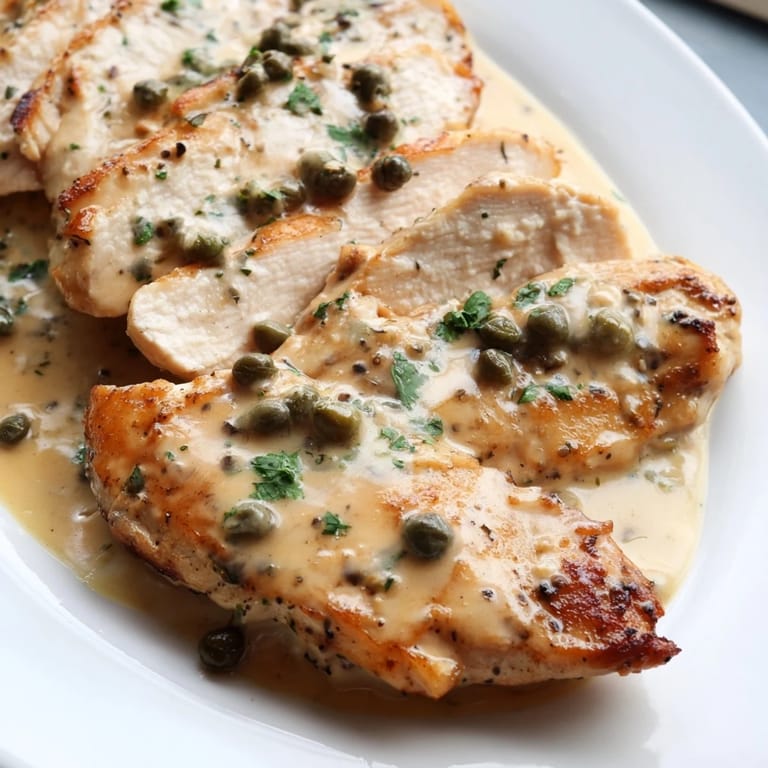
Save There's something about the sizzle of chicken hitting a hot pan that makes everything feel intentional in the kitchen. Years ago, I was attempting to recreate a dish I'd had at a small trattoria, armed with nothing but instinct and a bottle of white wine. What emerged was this creamy lemon sauce that coated delicate chicken cutlets in pure comfort—and somehow, it became the dish I reach for when I want to feel like I know what I'm doing. It's bright enough to feel fresh, rich enough to satisfy, and done before you know it.
I made this for a friend who'd just moved into their first place, and we ate it at a wobbly kitchen table with mismatched plates and the best conversation. They kept asking what made the sauce so silky, and I realized that watching someone taste something you've made with care is its own kind of magic. That night became the measuring stick for how this dish should make people feel.
Ingredients
- Boneless, skinless chicken breasts (4, about 600 g): Pound them thin so they cook evenly and stay tender—this is the move that separates rushed cooking from actually good cooking.
- Salt and black pepper: Season the chicken generously before flour, because flavoring happens in layers, not all at once.
- All-purpose flour (½ cup): This creates a delicate golden crust that catches the lemon sauce beautifully without becoming heavy.
- Olive oil and unsalted butter (2 tbsp each, plus 1 tbsp more): The combination gives you the high heat olive oil needs with the nutty flavor butter brings—use both or regret it.
- Garlic (3 cloves, minced): Fresh garlic matters here because the brief sauté just awakens it; jarred won't give you that same punch.
- Dry white wine (½ cup): The wine reduces and concentrates, adding sophistication—chicken broth works if you need it to, but wine changes everything.
- Low-sodium chicken broth (½ cup): This keeps the sauce savory without overwhelming the lemon's brightness.
- Heavy cream (½ cup): It transforms the sauce into something luxurious without needing to reduce for hours.
- Freshly squeezed lemon juice (¼ cup, about 2 lemons): Bottled lemon juice tastes flat next to the real thing—squeeze it yourself and taste the difference.
- Capers (2 tbsp, rinsed): Rinsing removes excess salt and brine so they add pop without overwhelming; they're the secret note that makes people wonder what you did.
- Fresh parsley (2 tbsp, chopped): Finish with this for color and a gentle herbaceous lift that reminds you this is supposed to be bright.
Tired of Takeout? 🥡
Get 10 meals you can make faster than delivery arrives. Seriously.
One email. No spam. Unsubscribe anytime.
Instructions
- Pound the chicken to even thickness:
- Place breasts between two sheets of parchment and use a meat mallet to pound them to about ½-inch thick. This matters because even thickness means even cooking—no rubbery edges while the center's still raw.
- Season and dredge:
- Sprinkle both sides of chicken with salt and pepper, then dredge in flour, shaking off any excess so you get a light, delicate coating. Don't skip the seasoning under the flour; it's where the real flavor lives.
- Sear the chicken:
- Heat olive oil and 1 tbsp butter in a large skillet over medium-high heat until the butter foams and starts to brown slightly. Add chicken and cook 4–5 minutes per side until golden and cooked through, then transfer to a plate and loosely cover with foil.
- Build the sauce foundation:
- In the same skillet, add the remaining 1 tbsp butter and sauté minced garlic for about 30 seconds until it's fragrant but not colored. You're looking for that moment where the kitchen suddenly smells alive.
- Deglaze and reduce:
- Pour in white wine and use a wooden spoon to scrape up all those browned bits stuck to the pan—that's flavor gold. Let it simmer for about 2 minutes until reduced by roughly half, concentrating the wine's tang.
- Create the creamy base:
- Add chicken broth, heavy cream, and freshly squeezed lemon juice, stirring to combine smoothly. Simmer for 2–3 minutes until the sauce starts to thicken slightly and coats the back of a spoon.
- Finish and serve:
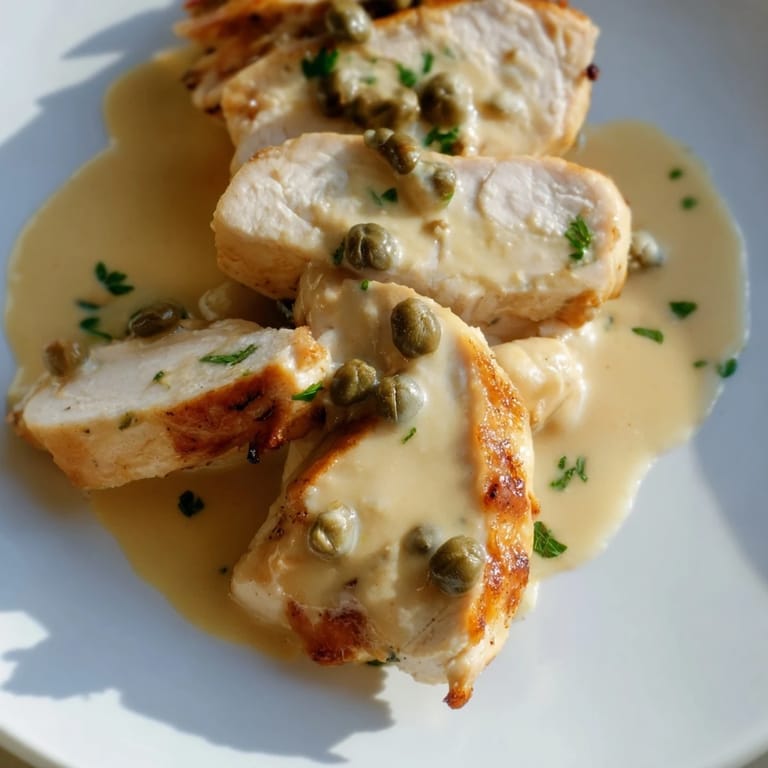
- Stir in rinsed capers and return the chicken to the skillet, spooning sauce over each piece. Simmer 2–3 minutes to heat through, then sprinkle with chopped fresh parsley and serve immediately over pasta, rice, or crusty bread.
 Save
Save The first time my family tasted this, my grandmother sat at the table and asked for the recipe—which, for someone who learned to cook before the internet existed, meant she genuinely wanted to make it again. That felt like the real compliment.
The Lemon Question
Lemon is the heart of this dish, and it's worth understanding what it does. It cuts through richness, it adds brightness without being sour, and it makes everything taste more like itself. The key is freshly squeezed juice because bottled versions taste metallic by comparison, and they lack the subtle oils that make real lemon juice sing. If your lemon looks hard or dried out, microwave it for 20 seconds first—it releases more juice and tastes fresher.
Why This Sauce Works
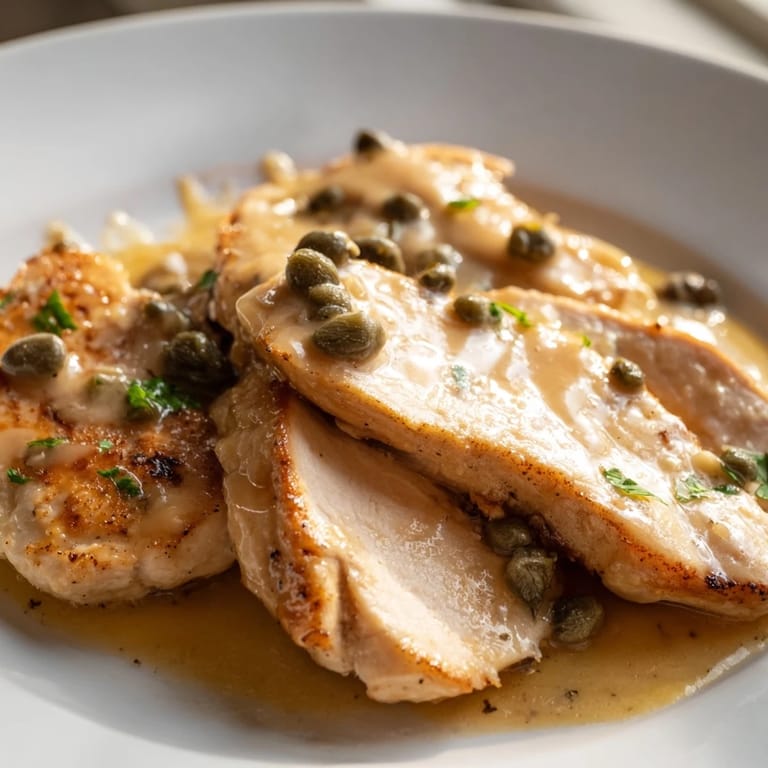
The magic here is balance: cream gives richness, lemon provides brightness, capers add umami depth, and broth keeps everything from becoming a heavy, cloying coating. Most people either oversalt or undersalt their sauce, and it usually happens because they're not tasting as they go. Stir the sauce and taste it before the chicken goes back in; that 30 seconds of attention is the difference between good and remarkable.
Serving and Pairing
This dish is flexible and forgiving about what you serve it with. Pasta is the obvious choice—wide ribbon noodles like pappardelle catch the sauce beautifully—but creamy risotto, polenta, or even mashed potatoes work wonderfully if you're in the mood for something different. A simple green salad beforehand, dressed with just lemon and olive oil, sets up the palate perfectly. If you want wine, go for something crisp like Pinot Grigio or Sauvignon Blanc; the acidity mirrors the lemon in the sauce and keeps everything feeling bright.
- Crusty bread is essential for soaking up every last drop of sauce, so don't skip this if you have it on hand.
- Make extra sauce if you're serving this over pasta because people will want to spoon more over their noodles.
- This dish is best eaten immediately while the sauce is still creamy and warm, so time your plating carefully.
 Save
Save This recipe exists because good food doesn't need to be complicated to be memorable. Serve it to the people you want to feel cared for, and watch how something this simple becomes part of the story you share.
Recipe FAQs
- → How do I prevent the chicken from drying out?
Pound the chicken to an even ½-inch thickness to ensure even cooking. Don't overcook—the chicken is done when the internal temperature reaches 165°F (74°C). Cooking just 4–5 minutes per side should be sufficient.
- → Can I make this ahead of time?
Cook the chicken and sauce separately, then store in airtight containers for up to 3 days. Reheat gently on the stovetop over low heat, adding a splash of broth if needed to restore the sauce consistency.
- → What's the best way to pound chicken breasts?
Place the chicken between two sheets of parchment paper and use a meat mallet or rolling pin to gently pound from the center outward. This prevents splatter and ensures even thickness without tearing the meat.
- → Can I substitute the heavy cream?
Yes. Try Greek yogurt, sour cream, or a mix of cream and broth for lighter options. For dairy-free, use coconut cream or cashew cream. Add these at the end and stir gently to avoid curdling.
- → What wine pairs best with this dish?
Pinot Grigio or Sauvignon Blanc complement the bright lemon and caper flavors beautifully. The acidity cuts through the richness of the cream sauce and cleanses the palate between bites.
- → Can I use frozen chicken breasts?
Thaw frozen chicken completely in the refrigerator before cooking. Cooking from frozen affects the browning and cooking time, making it difficult to achieve the golden crust needed for this dish.