 Save
Save There's something about the way lemon and cream can transform the simplest ingredients into something that tastes like you've been cooking all day. I discovered this pasta quite by accident one spring evening when I had a can of artichokes lingering in the pantry and a half lemon on the counter that needed rescuing. What started as a quiet Tuesday night dinner became the dish I keep coming back to, the one that somehow feels both effortless and elegant.
I made this for my partner one evening when we both needed something that tasted like spring, even though it was already November. They looked at the plate with a little skeptical smile, then took a bite and went quiet in that way that means you've done something right. We ended up eating by the window, watching the last light fade, and I realized that the best meals aren't always the complicated ones.
Ingredients
- Fettuccine or linguine, 350 g (12 oz): Long, flat pasta catches the cream sauce beautifully, though honestly any shape that can hold a silky coat will work.
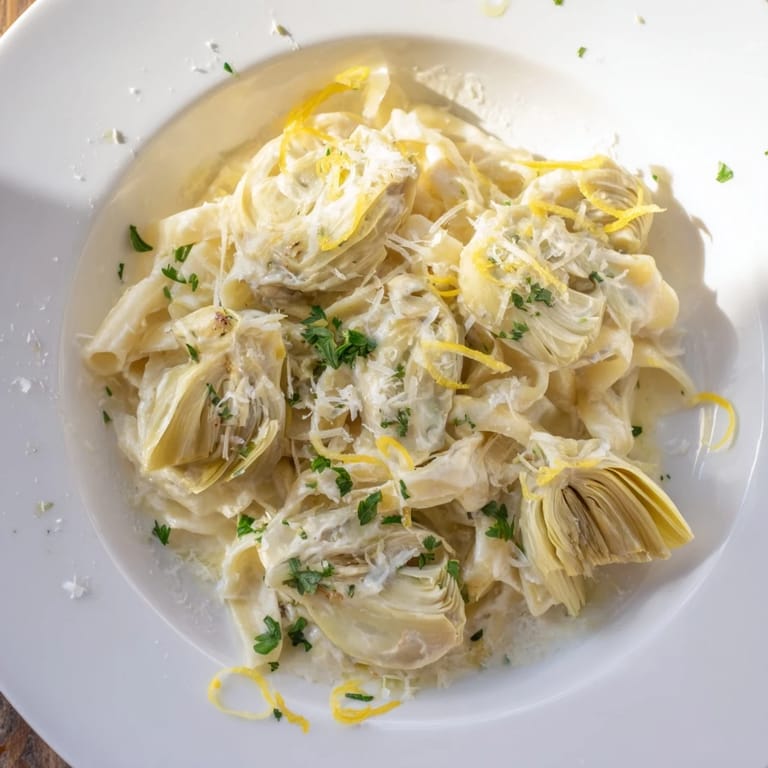
- Artichoke hearts from a can, 400 g (14 oz), drained and quartered: Canned artichokes are a genuine gift—they're tender, they don't require any fuss, and they taste just as good as fresh when they're in a cream sauce like this.
- Baby spinach, 2 cups (optional): This adds a gentle earthiness and a whisper of nutrition if you're in the mood, but it's truly optional.
- Garlic, 2 cloves, minced: The foundation of everything; don't skip it even if you're tempted.
- Shallot, 1 small, finely chopped: Milder than onion and it melts into the sauce in a way that's almost invisible but absolutely essential.
- Lemon zest and juice, from 1 lemon: This is the soul of the dish—the zest goes in early for brightness, the juice at the end to keep everything from feeling too heavy.
- Heavy cream, 200 ml (3/4 cup + 2 tbsp): The canvas for everything else; it brings richness without heaviness.
- Parmesan cheese, grated, 60 g (1/2 cup): Adds umami and helps bind the sauce into something silky and cohesive.
- Unsalted butter, 2 tbsp: Rounds out the flavor in ways that olive oil alone cannot.
- Extra-virgin olive oil, 2 tbsp: Use a good one if you have it; it matters here since it's part of the foundation.
- Salt and black pepper to taste: Start with 1/2 tsp salt and 1/4 tsp pepper, then adjust as you go.
- Red pepper flakes, 1/4 tsp (optional): A quiet whisper of heat that nobody has to know about unless they ask.
- Fresh basil or parsley for garnish: This last touch is what takes it from good to memorable.
Tired of Takeout? 🥡
Get 10 meals you can make faster than delivery arrives. Seriously.
One email. No spam. Unsubscribe anytime.
Instructions
- Get your water boiling and your pasta started:
- Fill a large pot with salted water and bring it to a rolling boil—you want it to sound like it means business. Add the pasta and cook until it's al dente, which means it still has a tiny bit of resistance when you bite it. Before you drain it, scoop out about half a cup of the starchy cooking water and set it aside; you'll use this later to loosen the sauce.
- Build the flavor base in your skillet:
- While the pasta cooks, warm the olive oil and butter in a large skillet over medium heat until the butter is foamy and smells nutty. Add the finely chopped shallot and minced garlic, and let them soften for about 2 minutes, stirring occasionally so they don't brown—you want them gentle and sweet.
- Wake up the artichokes:
- Add the drained artichoke hearts to the skillet and give them a few minutes to develop a light golden color, maybe 3 minutes of gentle cooking. You'll notice how they start to take on a subtle richness; this is when the magic begins. Stir in the lemon zest so it releases its oils right into the warm butter and oil, then add the spinach if you're using it, and let it wilt down completely.
- Create the silky sauce:
- Pour in the heavy cream and turn the heat up just enough to bring it to a gentle simmer. Once it's warm and bubbling softly around the edges, lower the heat and stir in the Parmesan cheese, lemon juice, salt, pepper, and red pepper flakes if you're using them. The sauce should smell bright and creamy at this point, tasting just sharp enough to feel alive.
- Bring it all together:
- Add your drained pasta directly to the skillet and toss everything together, using that reserved pasta water to loosen the sauce if it seems tight or thick. You're looking for a silky consistency that coats the pasta without pooling at the bottom of the pan.
- Finish and serve:
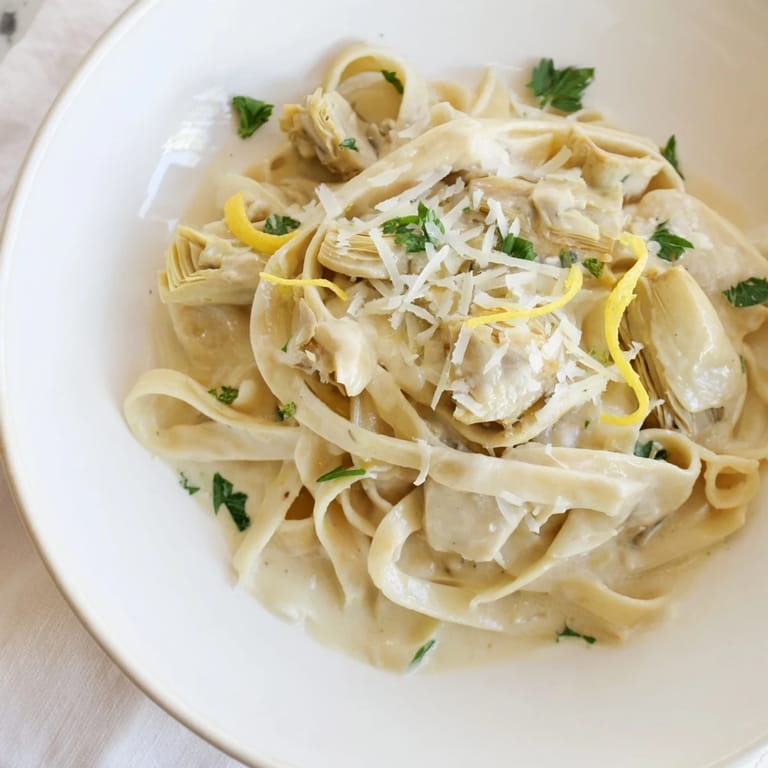
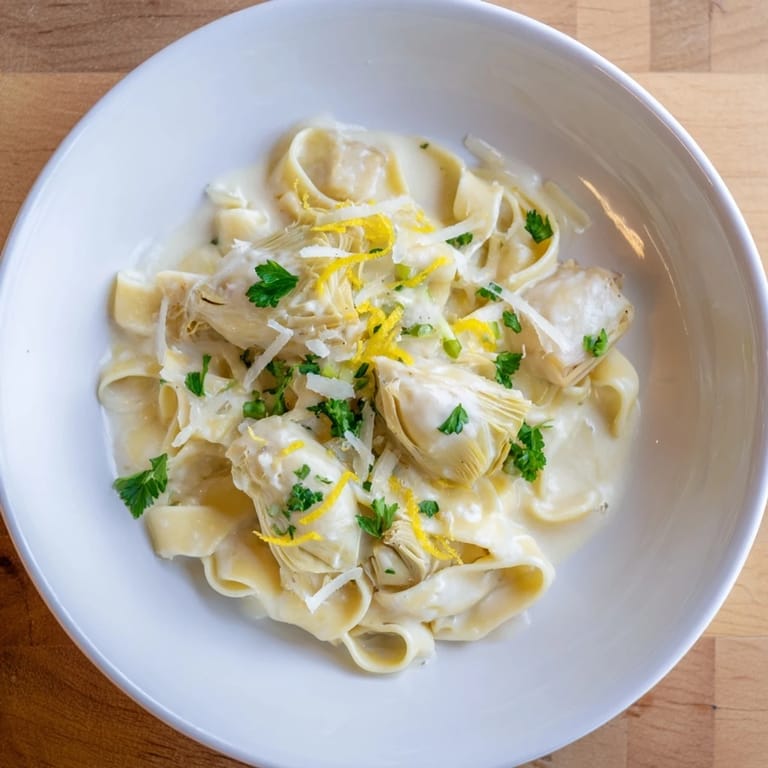
- Divide the pasta among four bowls and top each one with a small handful of fresh basil or parsley and a light scatter of extra Parmesan. Serve right away while everything is still warm and the flavors are singing.
 Save
Save There was a moment, the first time I made this for people who really mattered, when someone asked for the recipe before they'd even finished eating. I realized then that the best cooking isn't about impressing anyone—it's about creating something that tastes like care, like paying attention to how flavors work together, like you genuinely wanted to feed someone well.
Why This Pasta Works So Well
The magic of this dish lives in the contrast between the brightness of the lemon and the richness of the cream. In Tuscan cooking, this balance is everything; they understand that a little acid can make cream sing instead of sit heavy on your plate. The artichokes are the quiet player here—they're not trying to be the star, but they add a subtle earthiness and a tender texture that anchors the whole thing.
Flexibility in the Kitchen
This recipe is one of those beautiful dishes that accepts gentle changes without losing its soul. I've made it with peas instead of spinach when that's what I had, and once with a handful of caramelized mushrooms stirred in during a rainy autumn evening. The framework stays solid; it's the details you can play with.
Making This Your Own
Once you understand how the sauce works—how the cream, cheese, and lemon interact—you can start to see where your own touches belong. Maybe you want to add a protein, or maybe you want to make it with a plant-based cream and still have it taste like something your grandmother would recognize. The bones of this dish are strong enough to hold whatever you build on them.
- If you're adding protein, sear it separately first or add cooked chicken or shrimp right before you add the pasta so they don't overcook in the sauce.
- A crisp white wine like Pinot Grigio or Sauvignon Blanc pairs beautifully and echoes the brightness you've built into the dish.
- Leftover pasta is delicious cold the next day if you happen to have any, though honestly, this is the kind of dish people finish.
 Save
Save This pasta has become the dish I make when I want to remind myself why I love cooking in the first place. It's simple, it's honest, and it tastes like spring no matter what season it actually is.
Recipe FAQs
- → Can I use different pasta types?
Yes, fettuccine or linguine work best, but other long pasta like spaghetti or tagliatelle also complement the creamy sauce well.
- → How do I prevent the sauce from splitting?
Simmer the cream gently over medium-low heat and avoid boiling once cheese is added to maintain a smooth, silky texture.
- → Can I add protein to this dish?
Certainly, cooked chicken, shrimp, or plant-based proteins can be included for extra heartiness without altering the flavor balance.
- → Is fresh lemon juice important?
Yes, fresh lemon juice brightens the dish and balances the creaminess, enhancing the overall flavor profile.
- → Can spinach be omitted or substituted?
Spinach is optional; you can omit or use alternatives like kale or arugula depending on your preference.
- → What wine pairs well with this pasta?
A crisp white wine such as Pinot Grigio or Sauvignon Blanc complements the lemony cream sauce beautifully.