 Save
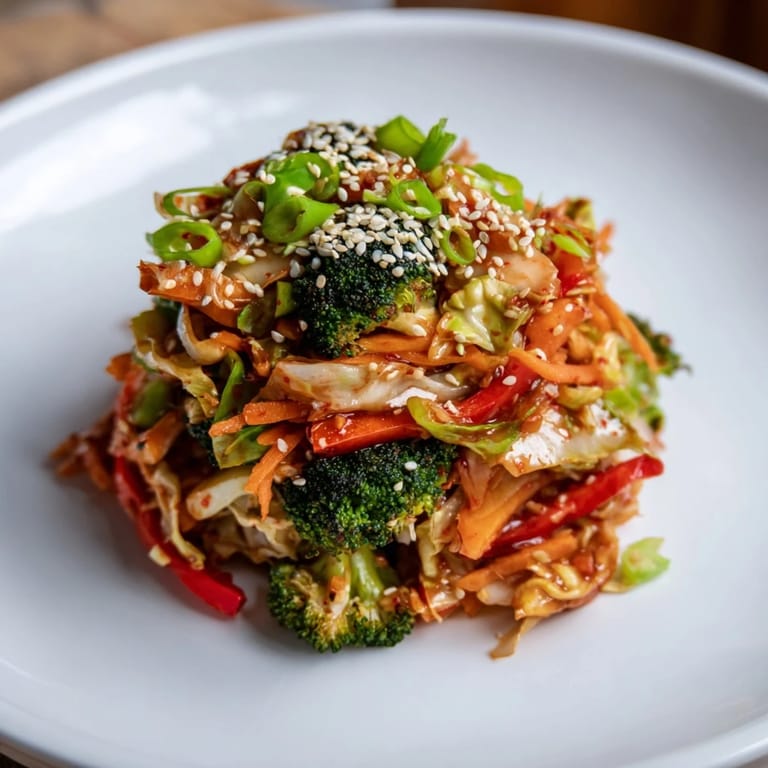
Save There was this particularly brutal January when my heat went out, and I found myself craving something that felt like warmth from the inside out. I ended up throwing together whatever root vegetables I had with some kimchi I'd forgotten about in the back of the fridge. The steam rising from that wok was the first time I'd felt properly warm in days, and I've been making this combination ever since.
Last winter my friend Sarah came over feeling completely drained by the endless gray skies. I made this for her, watching her face light up with that first bite of crisp-tender vegetables meets spicy funk. She asked for the recipe before she'd even finished her bowl, and now she makes it for her family every Sunday.
Ingredients
- 1 small head broccoli, cut into florets: Broccoli holds up beautifully to high-heat cooking and absorbs the sauce without getting mushy
- 2 medium carrots, sliced on the bias: Diagonal cuts create more surface area for caramelization and look elegant
- 1 small parsnip, peeled and sliced: This underrated winter root adds a subtle sweetness that balances kimchi's intensity
- 1 small sweet potato, peeled and cut into thin matchsticks: Keep these thin so they cook through quickly without becoming soft
- 1 cup shredded green cabbage: Adds crunch and fresh contrast to the cooked root vegetables
- 1 red bell pepper, sliced: Brings sweetness and vibrant color to the mostly earthy vegetable mix
- 1 tablespoon fresh ginger, grated: Fresh is non-negotiable here, it provides that warming kick dried ginger can't match
- 2 cloves garlic, minced: Mince it finely so it disperses evenly throughout the dish
- 2 tablespoons toasted sesame oil: Toasted adds that rich nutty flavor you can't get from plain sesame oil
- 2 tablespoons soy sauce or tamari: The salty base that ties all the vegetables together
- 1 tablespoon rice vinegar: Brightens everything and cuts through the oil and sweet potato
- 1 teaspoon maple syrup or honey: Just enough to round out the salty and tangy elements
- 1 cup kimchi, chopped: The star of the show, aged kimchi gives you the most complex flavor
- 2 green onions, sliced: Fresh finish that adds a mild onion bite
- 1 tablespoon toasted sesame seeds: Toast them right before serving for maximum fragrance
Tired of Takeout? 🥡
Get 10 meals you can make faster than delivery arrives. Seriously.
One email. No spam. Unsubscribe anytime.
Instructions
- Get everything ready before you turn on the heat:
- Stir-frying happens fast, so have all your vegetables prepped and your sauce whisked together in a small bowl before you start.
- Heat your wok and toast the aromatics:
- Warm the sesame oil in your wok over medium-high heat until it shimmers, then add ginger and garlic, stirring constantly for just 30 seconds until fragrant but not browned.
- Start with the hard vegetables:
- Add carrots, parsnip, sweet potato, and broccoli first, stir-frying for 4 to 5 minutes until they begin to soften and develop some golden edges.
- Add the quick-cooking vegetables:
- Toss in cabbage and bell pepper, continuing to stir-fry for another 3 to 4 minutes until everything is crisp-tender and brightly colored.
- Add the sauce and finish with kimchi:
- Pour in your sauce mixture and toss to coat everything evenly, then remove from heat completely before folding in the kimchi to preserve those beneficial bacteria.
 Save
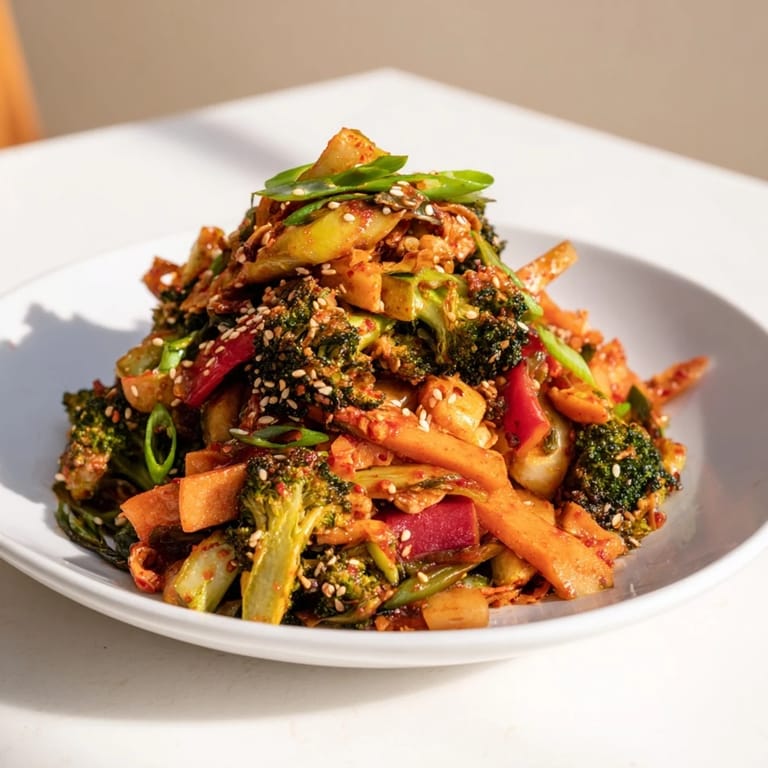
Save This recipe became my go-to during that first winter I lived alone, when cooking for one felt pointless and I was eating toast for dinner three nights a week. Something about the vibrant colors and probiotic kick made me feel like I was actually taking care of myself again.
Making It Your Own
I've learned that stir-fries forgive almost anything. You can swap in whatever vegetables are languishing in your crisper drawer, though try to keep a mix of colors and cook times. The magic is really in that final toss with kimchi.
Serving Suggestions
Some nights I'll pile this over steamed brown rice for something more substantial. Other times I'll toss it with soba noodles for a quick noodle bowl. Both ways feel complete and satisfying in different ways.
Batch Cooking Wisdom
Sundays have become my prep day for this recipe. I'll cut all the vegetables and store them in separate containers in the fridge. During the week, I can have dinner ready in the time it takes to heat up the wok.
- Don't prep kimchi ahead, or it gets too acidic and loses its crunch
- If vegetables start to wilt, give them a quick ice bath before cooking to perk them up
- The sauce keeps for a week in the fridge if you want to double it
 Save
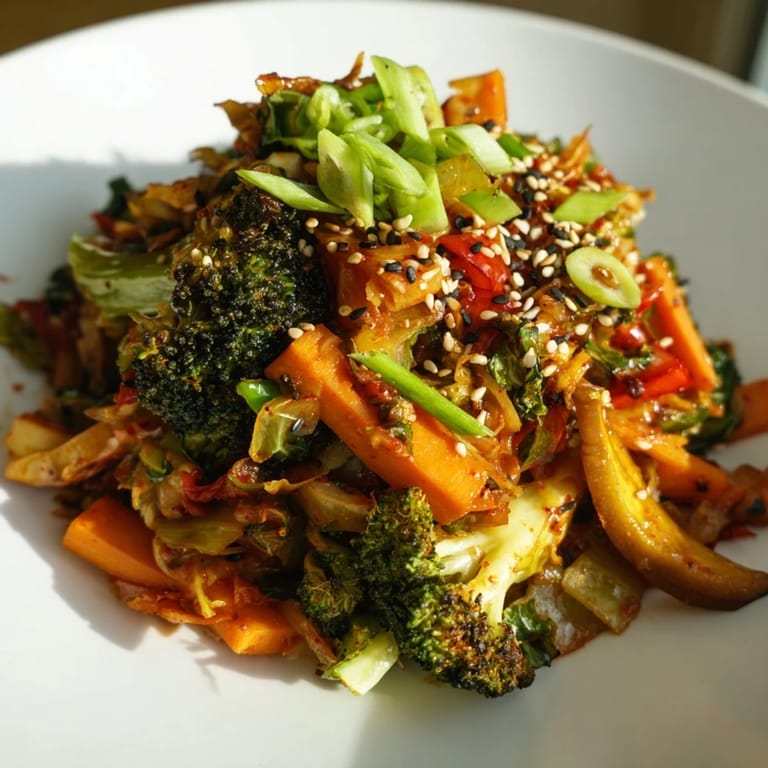
Save There's something deeply satisfying about turning humble winter vegetables into something that feels this vibrant and alive. Hope it brings you as much comfort as it has me.
Recipe FAQs
- → What vegetables work best in this stir-fry?
Broccoli, carrots, parsnips, sweet potato, and cabbage are ideal for their texture and ability to hold up during cooking. Feel free to substitute turnips, rutabaga, or kale based on what's available.
- → Can I make this gluten-free?
Yes, simply replace the soy sauce with tamari. Always check your kimchi label to ensure it doesn't contain wheat-based ingredients.
- → Why add kimchi at the end instead of cooking it?
Adding kimchi off the heat preserves the beneficial probiotics and enzymes. Cooking at high temperatures can reduce these gut-friendly properties.
- → What should I serve with this dish?
Steamed rice, quinoa, or soba noodles make excellent bases that soak up the savory sauce. For a lighter meal, enjoy it on its own as a nutrient-dense bowl.
- → How spicy is this dish?
The spice level depends on your kimchi. Mild kimchi yields gentle warmth, while spicy varieties add more heat. Adjust the amount to your preference.
- → Can I prepare the vegetables ahead of time?
Absolutely. Wash and slice all vegetables up to a day in advance, storing them in airtight containers in the refrigerator. This makes the actual cooking process even faster.