 Save
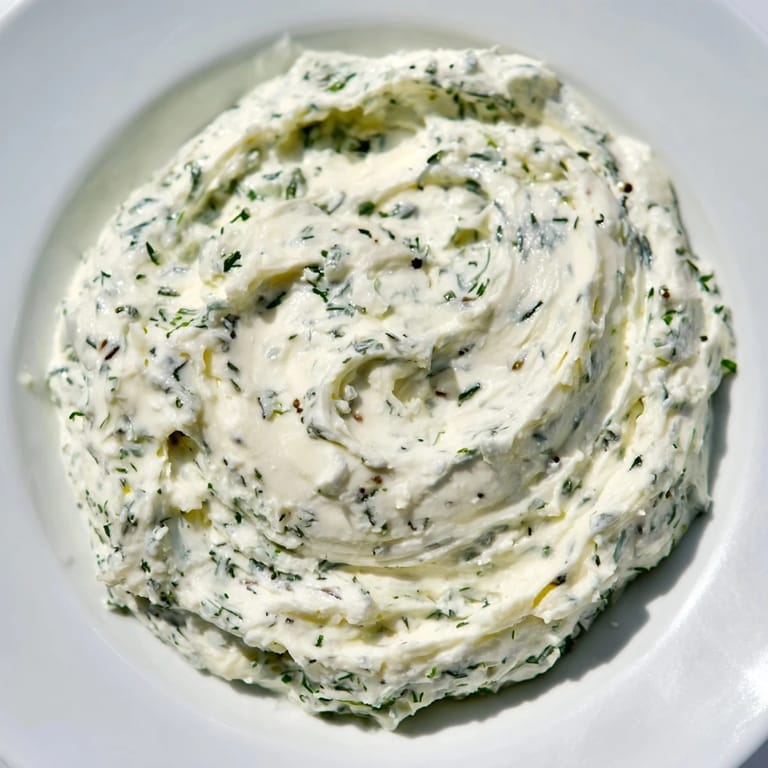
Save There's a moment every spring when someone brings a veggie platter to a gathering, and I find myself making this dip instead of reaching for the heavy, store-bought stuff. It happened one April afternoon in my kitchen—I had Greek yogurt that needed using, a handful of herbs from a farmers market visit, and the sudden realization that the best dips don't need cream cheese or mayo to be craveable. Since then, it's become the one thing people ask me to bring, not because it's fancy, but because it tastes like fresh air in a bowl.
I learned something watching my neighbor taste this at a picnic last summer: she closed her eyes for a second and said it tasted like herbs, not like a dairy product pretending to be elegant. That's when I understood why people were responding to it. It wasn't trying to be something else.
Ingredients
- Greek yogurt (1 ½ cups): Full-fat holds its texture better and tastes richer, but low-fat works if that's your preference—the creaminess comes from the yogurt itself, not added cream.
- Fresh dill (2 tablespoons): Dill is the backbone here; dried dill tastes stale and dusty in comparison, so don't skip the fresh version.
- Fresh chives (2 tablespoons): These give a gentle onion note without the harsh bite of raw onion—they mellow as the dip sits.
- Fresh parsley (1 tablespoon): Parsley keeps things from tasting too single-noted and adds a whisper of brightness.
- Garlic (1 clove, minced): One clove is enough; mince it small so you don't get harsh garlic chunks.
- Fresh lemon juice (1 tablespoon): This wakes up all the flavors and prevents the dip from tasting flat or one-dimensional.
- Sea salt (½ teaspoon): Salt isn't filler—it's what makes the herbs actually taste like herbs instead of green bits.
- Black pepper (¼ teaspoon): Freshly ground, not the pre-ground stuff that tastes like nothing.
- Onion powder and cayenne (optional): Onion powder deepens the savory notes; cayenne adds a whisper of heat if you like that.
Tired of Takeout? 🥡
Get 10 meals you can make faster than delivery arrives. Seriously.
One email. No spam. Unsubscribe anytime.
Instructions
- Gather your herbs and get them ready:
- Chop everything while it's still slightly damp from rinsing—it clings to the knife better and releases oils as you cut. If your herbs are wilted, soak them in ice water for five minutes first.
- Build the base:
- Scoop the yogurt into a medium bowl, then add the herbs and garlic all at once. The yogurt is cool and forgiving, so there's no rushing or worrying about timing.
- Brighten it up:
- Pour in the lemon juice and sprinkle the salt and pepper over top before mixing—this way, the salt doesn't sit in one spot and over-season the dip unevenly.
- Mix until cohesive:
- Fold everything together gently until the herbs are distributed and the color is fairly even throughout. Don't overmix; you want flecks of green, not a puree.
- Taste and adjust:
- This is where you find your balance—a squeeze more lemon if it tastes flat, a pinch more salt if the herbs taste muted, a tiny dust of cayenne if you want depth.
- Let it rest:
- Cover and refrigerate for at least 30 minutes before serving. This pause lets the flavors settle into each other and the salt dissolve evenly.
- Serve cold:
- Bring it to the table straight from the fridge, surrounded by whatever you're dipping—raw vegetables, pita chips, or crispy crackers.
 Save
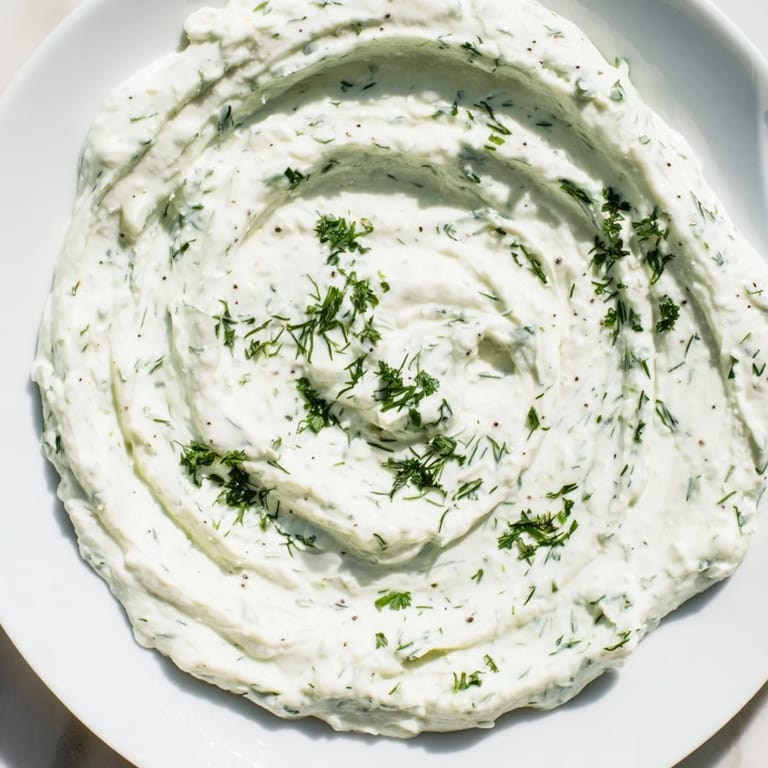
Save Someone once used this as a spread on a roasted chicken sandwich and texted me a photo. That simple moment—the dip doing something unexpected, becoming more than a party vessel—made me realize it's one of those recipes that works because it's honest and doesn't pretend to be more than it is.
Herb Swaps That Work
If you don't have dill or you're bored with the traditional combination, basil brings an almost Italian energy to this dip, while tarragon adds an elegant, subtle anise note that feels fancy without tasting unusual. Mint works too, especially if you're serving this alongside Middle Eastern or Mediterranean food. The ratio stays the same—you're just switching out what green flavors are playing the lead role.
How to Use It Beyond the Veggie Platter
This dip is quieter than most, which means it plays well with others. Spread it on a sandwich instead of mayo, dollop it on a baked potato, or swirl it into a grain bowl where you need something creamy but not heavy. It's also stunning as a base for a composed plate—some good bread, some smoked salmon or grilled vegetables, maybe some olives.
Making It Your Own
The beauty of this dip is that it doesn't demand you follow it exactly. The herbs listed here are suggestions, not commandments. If you like your dip spicier, cayenne is your friend; if you want more umami, a tiny pinch of onion powder or even a small grating of Parmesan works.
- Make it vegan by swapping the Greek yogurt for a thick plant-based alternative—coconut or cashew-based yogurts work best.
- Keep it in the fridge and it tastes even better the next day as the flavors continue to meld and deepen.
- Double the batch and freeze it in ice cube trays for quick portions later, though the texture will shift slightly after thawing.
 Save
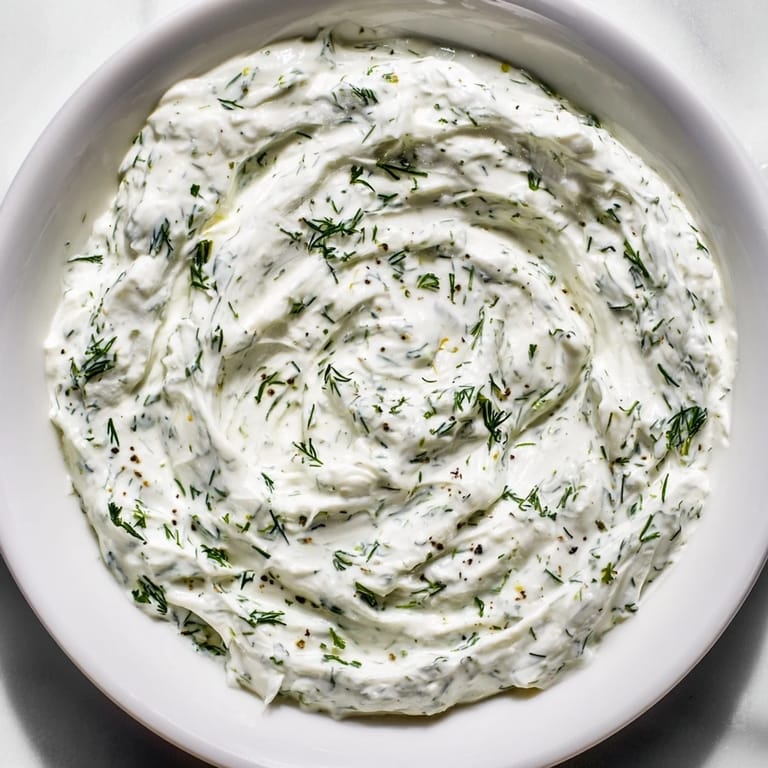
Save This is the kind of recipe that doesn't ask for much but gives back generously. It's proof that simplicity, when done with intention, is enough.
Recipe FAQs
- → What kind of yogurt works best?
Plain full-fat or low-fat Greek yogurt provides the ideal creamy texture and tang, but plant-based alternatives can be used for dairy-free options.
- → Can I adjust the herbs used?
Yes, basil, tarragon, or mint are excellent substitutes or additions to customize the flavor.
- → How long should the blend chill before serving?
Refrigerate for at least 30 minutes to allow flavors to fully meld and develop.
- → Is this suitable for a gluten-free diet?
Yes, all ingredients are gluten-free, making it safe for those avoiding gluten.
- → What pairs well with this herb blend?
It complements fresh vegetables, pita chips, sandwiches, and grilled meats perfectly.