 Save
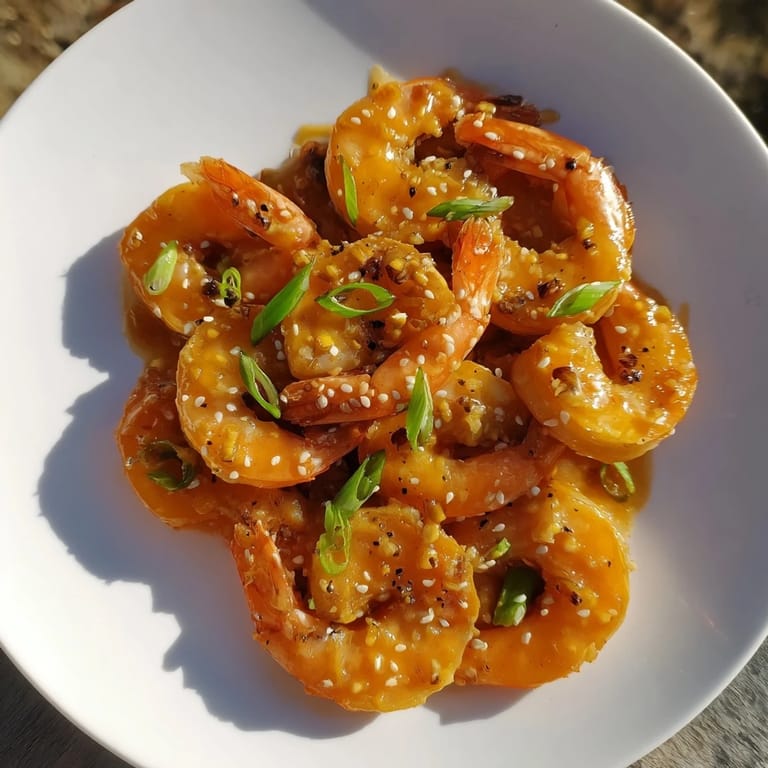
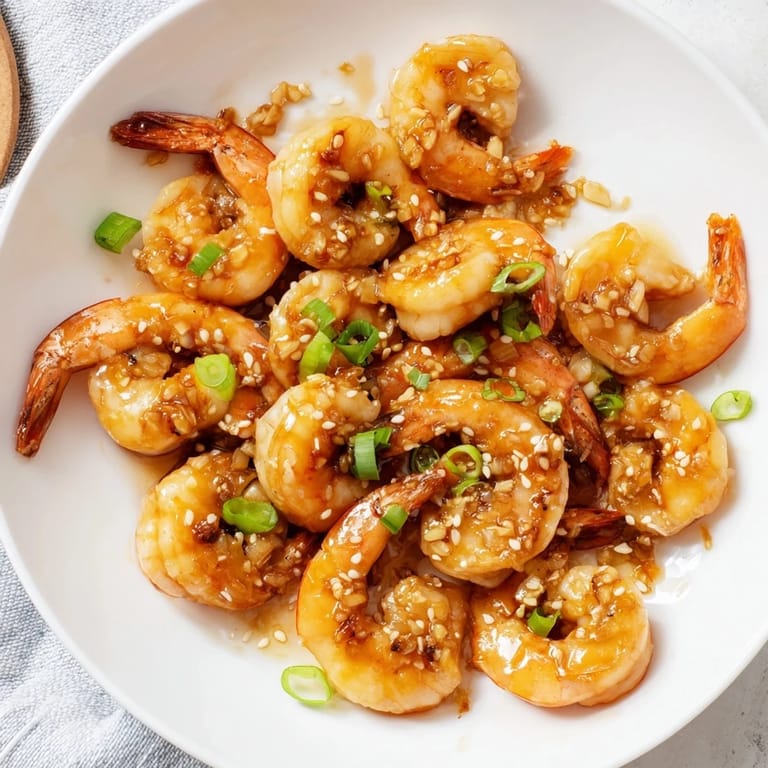
Save There's something almost magical about the moment shrimp hits a hot skillet—that quick sizzle and the way the kitchen suddenly smells like garlic and caramelized honey. I stumbled into this recipe on a Tuesday night when I had thirty minutes and absolutely nothing clever planned for dinner. The shrimp were already thawing, and I'd been staring at a bottle of honey on the shelf, wondering what it could become. What emerged was this glossy, sticky sauce that coated each curl of pink shrimp like a edible glaze, ready in the time it took to cook rice.
I remember making this for my neighbor who'd just had a baby, and she ate it standing up in her kitchen while holding a tiny bundle in one arm, tears running down her face—not from emotion, just because the garlic was strong and her hands were full. That's when I knew this recipe was the real deal: it passed the ultimate test of being too delicious to put down, even when your arms were otherwise occupied.
Ingredients
- Shrimp: Large shrimp cook faster and stay tender; frozen works beautifully if thawed properly under cold running water.
- Honey: The sweet backbone of this sauce—use raw honey if you have it, though any will work; it caramelizes slightly as the sauce bubbles.
- Soy sauce: Low-sodium lets you taste the other flavors; use tamari if you need gluten-free.
- Garlic: Minced fresh is non-negotiable here; four cloves sounds like a lot until the shrimp absorbs every bit of flavor.
- Ginger: Freshly grated makes a huge difference—the oils wake everything up.
- Rice vinegar: A tablespoon cuts the sweetness just enough so the sauce doesn't feel cloying.
- Red pepper flakes: Optional, but they add a warmth that lingers pleasantly.
- Oil: Sesame oil is traditional and adds nuttiness; vegetable oil works if that's what you have.
- Green onions and sesame seeds: These aren't afterthoughts—they add texture and freshness that makes the whole dish feel complete.
Tired of Takeout? 🥡
Get 10 meals you can make faster than delivery arrives. Seriously.
One email. No spam. Unsubscribe anytime.
Instructions
- Make the sauce first:
- Whisk honey, soy sauce, minced garlic, ginger, rice vinegar, and red pepper flakes in a bowl and set aside. This way you're not scrambling once the shrimp hits the pan.
- Dry your shrimp thoroughly:
- Pat them with paper towels—moisture is the enemy of a good sear and a proper glaze. Season generously with salt and pepper.
- Get your skillet smoking hot:
- Medium-high heat, about a minute of preheating with oil, until a drop of water sizzles away instantly. This is when you'll hear that beautiful sizzle that tells you something good is happening.
- Sear the shrimp:
- Lay them in a single layer (don't crowd the pan) and leave them alone for 1 to 2 minutes—they need that contact with the hot surface to turn pink and get a slight crust. Flip and repeat on the other side. If you have a lot of shrimp, work in batches.
- Pour in the sauce and finish:
- Once the shrimp are nearly cooked, pour in your glossy sauce and stir gently for 2 to 3 minutes. The sauce will bubble and thicken, and the shrimp will finish cooking in that sweet, garlicky embrace. The smell at this moment is when you know you've nailed it.
- Garnish and serve:
- Pull from heat, scatter green onions and sesame seeds on top, and serve immediately over rice or noodles while everything is still hot and the sauce clings to each bite.
 Save
Save The best moment with this recipe came when my partner tasted it and asked, genuinely confused, how it was both so sweet and so savory at once. I realized then that the beauty of this dish is how it shouldn't work in theory, but somehow it does—like most good things in life.
The Shrimp Question
People always ask whether they should use frozen or fresh shrimp, and the truth is that frozen shrimp are often fresher than what's labeled fresh in most grocery stores. The key is thawing them gently under cold running water rather than leaving them on the counter, where they lose their delicate texture. I've also learned that peeling and deveining them yourself, while slightly tedious, costs less and gives you more control—though pre-peeled shrimp are a legitimate shortcut on nights when time is the real ingredient in short supply.
Sauce Variations Worth Trying
While the original sauce is perfectly balanced, I've played with it enough times to know where you can pivot. A tablespoon of lime juice instead of vinegar makes it brighter and more tropical. Adding a teaspoon of sesame oil to the sauce itself deepens the flavor considerably. Some nights I've reduced the honey slightly and added a touch of miso paste for umami depth. The beauty is that as long as you keep the soy sauce, garlic, and ginger as your foundation, the sauce is forgiving enough to bend toward your mood.
Serving Suggestions and Pairings
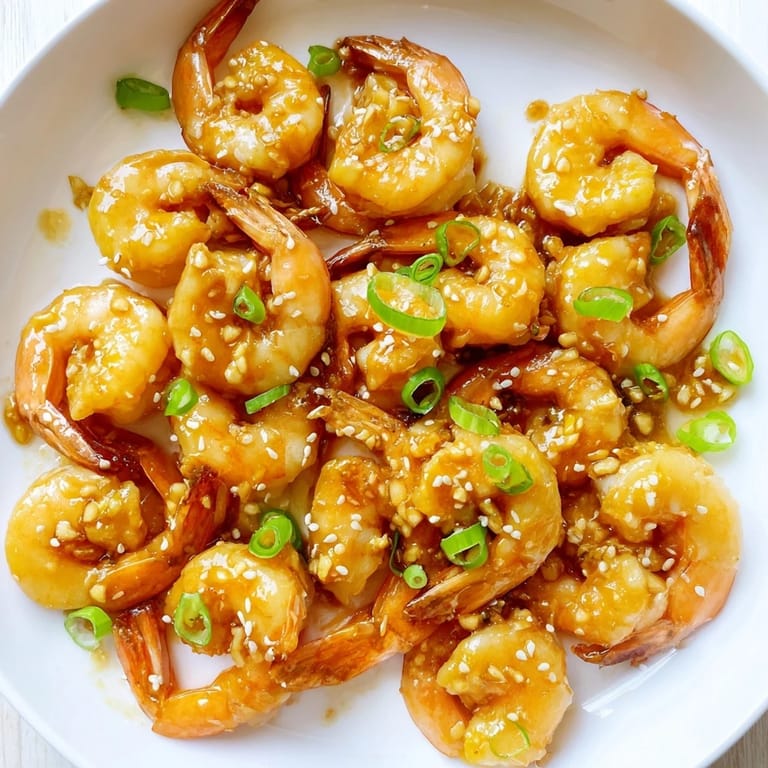
This shrimp tastes best served immediately, still steaming, over either jasmine rice (which absorbs the sauce like a sponge) or soft egg noodles. A simple cucumber salad on the side cuts through the richness beautifully, and a crisp white wine—Sauvignon Blanc, Pinot Grigio, even a dry Riesling—makes the whole meal feel intentional rather than rushed. I've also served it alongside sautéed snap peas or steamed broccoli for nights when I wanted something green on the plate, and neither changes the story the dish tells.
- Toast the sesame seeds in a dry skillet for thirty seconds before sprinkling them on top to amplify their nutty flavor.
- If you don't have rice vinegar, a splash of any mild vinegar or even a squeeze of fresh lemon works in a pinch.
- Leftover sauce, if there is any, makes an excellent glaze for chicken or tofu the next day.
 Save
Save This is the kind of recipe that teaches you something without feeling like a lesson—that good food doesn't always require hours or complicated techniques, just the right combination of things coming together at the right moment. Make it once, and it becomes a reliable friend for nights when you need something fast, delicious, and entirely capable of making you feel like you've got this.
Recipe FAQs
- → How do I prevent shrimp from overcooking?
Cook shrimp over medium-high heat for 1–2 minutes per side until just pink and opaque. Avoid overcrowding the skillet to ensure even cooking.
- → Can I substitute the shrimp with other proteins?
Yes, chicken or tofu can be used as alternatives, adjusting cooking times accordingly.
- → What can I serve alongside this dish?
Steamed rice or cooked noodles complement the flavors well and help soak up the sauce.
- → Is there a way to add some heat to the glaze?
Adding crushed red pepper flakes to the sauce creates a subtle spiciness without overpowering the sweet and savory balance.
- → What oils work best for cooking this dish?
Vegetable oil or sesame oil can be used; sesame oil adds a nutty aroma that enhances the glaze's flavors.