 Save
Save Standing at the stove with a saucepan full of cream, I was struck by the gentle perfume of lavender wafting up as the heat unlocked its essence. The first time I tried making Honey Lavender Panna Cotta was on a whim, inspired by a jar of dried lavender languishing in my pantry. There was something carefree about experimenting with flowers in desserts, and I distinctly remember the sunlight streaming through the kitchen window as I carefully measured honey into the mix. The ritual of stirring and infusing the milk felt calming, a tiny escape from daily chaos. Somehow, this silky Italian treat became a little pocket of spring in my home, tempting me to try it again and again for any excuse.
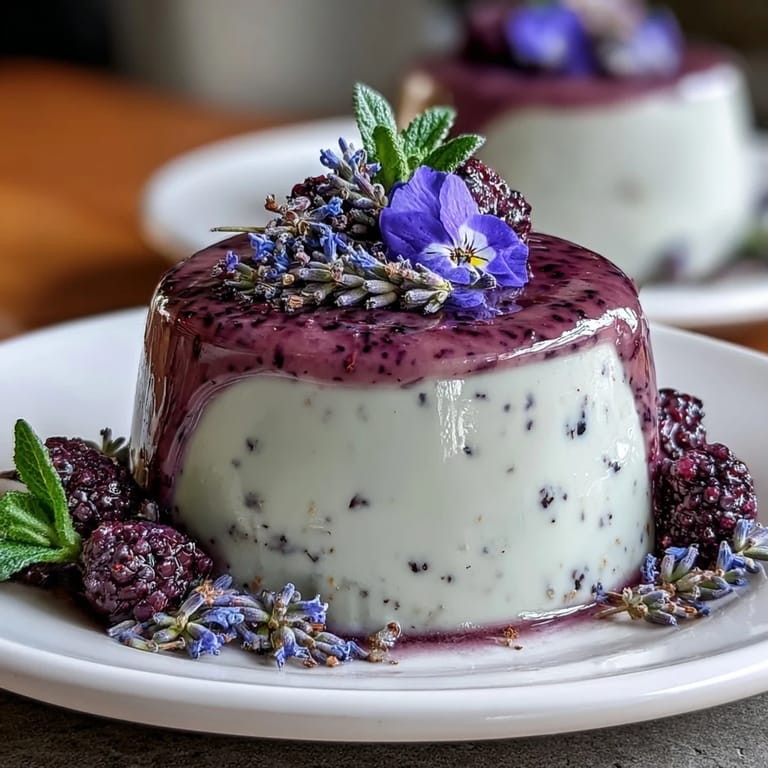
My most memorable batch was made for a backyard brunch with friends—everyone wanted seconds, and the compliments flowed almost as freely as the sparkling wine. We joked about how much fancier it felt than it was, laughing when someone tried to pronounce 'panna cotta' with a flourish. Berries tumbled onto the plates, edible flowers scattered, and somehow the dessert seemed to tie together the sprawling spring garden and our laughter. A slight drizzle of honey shimmered in the sunlight, and for a moment, dessert was all anyone talked about. Cleaning up later, I found bits of lavender clinging to ramekins and smiled at the evidence of a shared afternoon well spent.
Ingredients
- Heavy Cream: The luxurious base makes panna cotta truly silky—be sure to use full-fat for best texture.
- Whole Milk: I learned the hard way that skim milk doesn’t set quite as decadently; whole milk balances richness and lightness.
- Honey: Floral honey brings a mellow sweetness; taste and adjust if you’re using a bold variety.
- Dried Culinary Lavender Buds: Be sure they’re food grade, and don’t overdo it—too much can quickly become bitter.
- Pure Vanilla Extract: Just a dash deepens the flavor and smooths out floral notes, making everything taste rounder.
- Unflavored Powdered Gelatin: Proper blooming ensures a trembly, gentle jiggle instead of a rubbery dessert.
- Cold Water: It’s essential for blooming the gelatin; warm water doesn’t work as well.
- Fresh Berries: They add a burst of color and tartness; my favorite are blueberries and raspberries for spring.
- Edible Flowers or Additional Lavender Buds: A pretty garnish that makes each serving feel special—just double-check their safety.
Tired of Takeout? 🥡
Get 10 meals you can make faster than delivery arrives. Seriously.
One email. No spam. Unsubscribe anytime.
Instructions
- Infuse the Cream:
- Add cream, milk, and lavender to your saucepan; as it heats, inhale the subtle floral aroma and stir gently, stopping before it boils. Once just steaming, cover and let the buds steep for 10 minutes to fully release their oils.
- Bloom the Gelatin:
- Sprinkle gelatin across cold water in a bowl—watch as it softens and swells in about five minutes, a crucial step for that signature panna cotta texture.
- Strain and Sweeten:
- Use a fine mesh sieve to remove lavender, then return the mixture to the pot. Stir in honey and vanilla until just heated and the honey melts, enjoying how the scent deepens.
- Combine and Dissolve:
- Remove from heat and add the bloomed gelatin, whisking to ensure every bit dissolves so you get a smooth, set finish.
- Fill and Chill:
- Divide liquid between ramekins or glasses—cool to room temperature first, then cover and refrigerate at least four hours, letting anticipation build as they firm up.
- Garnish and Serve:
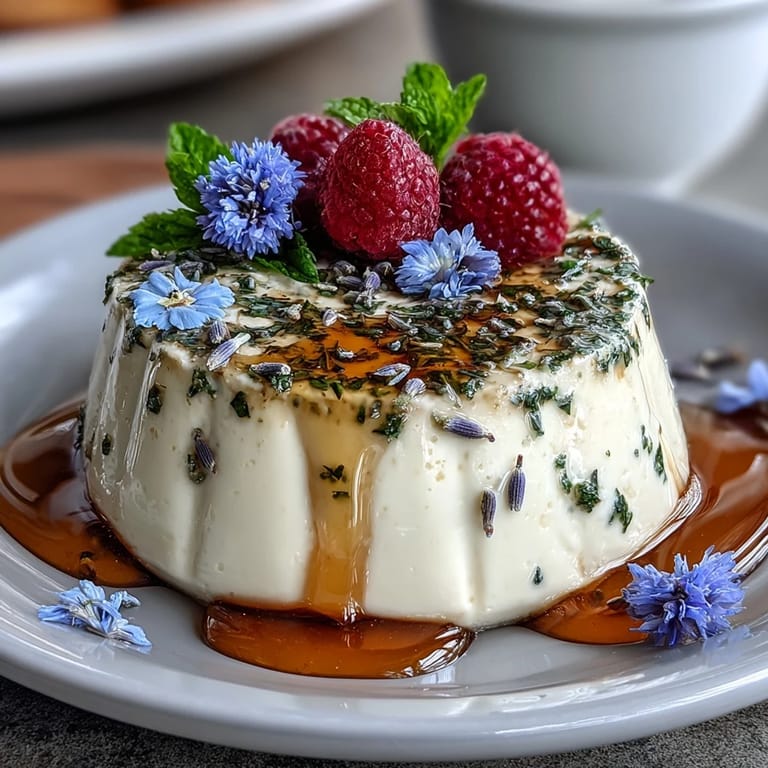
- Unmold if desired or serve in the glasses, drizzle with more honey, then decorate with berries and edible flowers for an eye-catching final touch.
 Save
Save When my niece helped me drizzle honey over the chilled panna cotta during her last visit, she insisted on arranging berries in tiny patterns—an unhurried ritual that made dessert feel like art. Later, watching her small spoon carve through the delicate wobbly surface, I realized how food sometimes transforms ordinary afternoons into little celebrations.
How to Infuse Lavender Perfectly
Lavender’s flavor can shift from gentle to overpowering in minutes, so I always start tasting after the ten-minute mark. A fine mesh sieve ensures no stray buds sneak into the final dessert—using one made all the difference when I first started experimenting.
Setting Panna Cotta Like a Pro
Blooming gelatin is a step I never rush now; letting each grain absorb cold water makes the texture beautifully soft. Chilling undisturbed in the back of the fridge helps prevent surface cracks and keeps the panna cotta uniform and glossy.
Serving & Garnishing for Impact
Bringing out edible flowers and berries for the garnish always sparks conversation at the table—everyone’s eyes light up at a colorful plate. I keep a little honey nearby so each guest can add an extra drizzle if they wish.
- If garnishing, add toppings just before serving for freshest look.
- Room temperature honey drizzles more effortlessly than cold.
- Chill panna cotta overnight for extra firm and flavor meld.
 Save
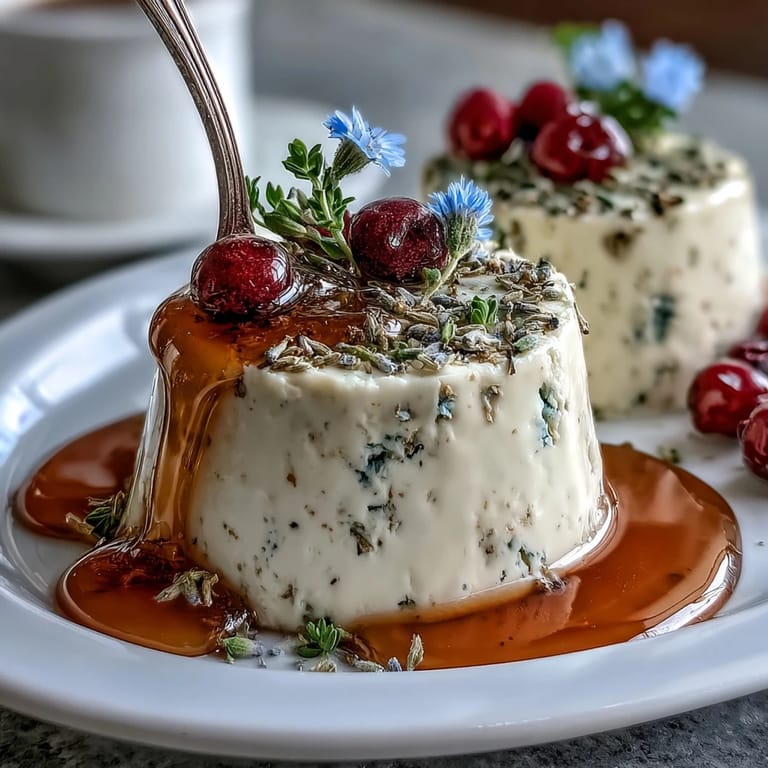
Save May your kitchen smell like spring and each panna cotta bring a quiet moment of joy. Let little details—flowers, honey, laughter—make this recipe your own.
Recipe FAQs
- → How do I achieve the best lavender flavor?
Steep lavender buds in the cream for 10–15 minutes, checking taste to avoid bitterness and ensure balanced floral notes.
- → Can I make this vegetarian?
Yes, replace gelatin with a plant-based gelling agent and use dairy-free cream for a vegetarian-friendly version.
- → What can I use as garnish?
Fresh berries, edible flowers, extra lavender buds, or a light honey drizzle enhance presentation and flavor.
- → How should panna cotta be served?
Serve directly in glasses or unmold onto plates. Add garnishes for extra elegance at spring or festive occasions.
- → Is this dessert suitable for gluten-free diets?
Yes, the panna cotta is naturally gluten-free. Always verify garnishes and flavorings are gluten-free as well.
- → Can panna cotta be paired with beverages?
Pair this creamy dessert with floral Moscato or lightly sweet sparkling wines for a balanced culinary experience.