 Save
Save There was a Tuesday when my office microwave became my unlikely hero. I'd forgotten my lunch, the café was closed, and I had nothing but a bowl, some dried pasta, and a bottle of marinara in my desk drawer. Fifteen minutes later, I was twirling actual pasta on a fork at my desk, steam rising from a ceramic bowl like I'd orchestrated something impossible. That's when I realized the microwave wasn't just for reheating coffee—it could be a complete kitchen.
I made this for my roommate one late night when she came home starving after her shift, and she looked genuinely amazed that I'd made pasta without a stove. She's made it about forty times since. There's something about watching people realize their kitchen limitations don't actually exist that never gets old.
Ingredients
- Dried pasta (75 g): Penne, fusilli, or elbow macaroni all work beautifully—shaped pasta holds sauce better than long strands, and you'll notice the difference in every bite.
- Water (500 ml): This is both cooking liquid and eventual sauce base, so don't skip it or go sparingly.
- Salt (1/2 tsp): Added to the cooking water, this seasons the pasta from the inside out and makes a real difference.
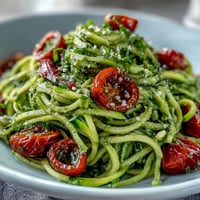
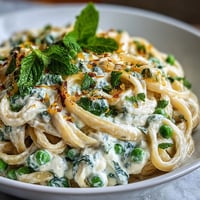
- Sauce (100 ml): Marinara, pesto, or Alfredo—whatever calls to you—works because you're building flavor on already-seasoned pasta.
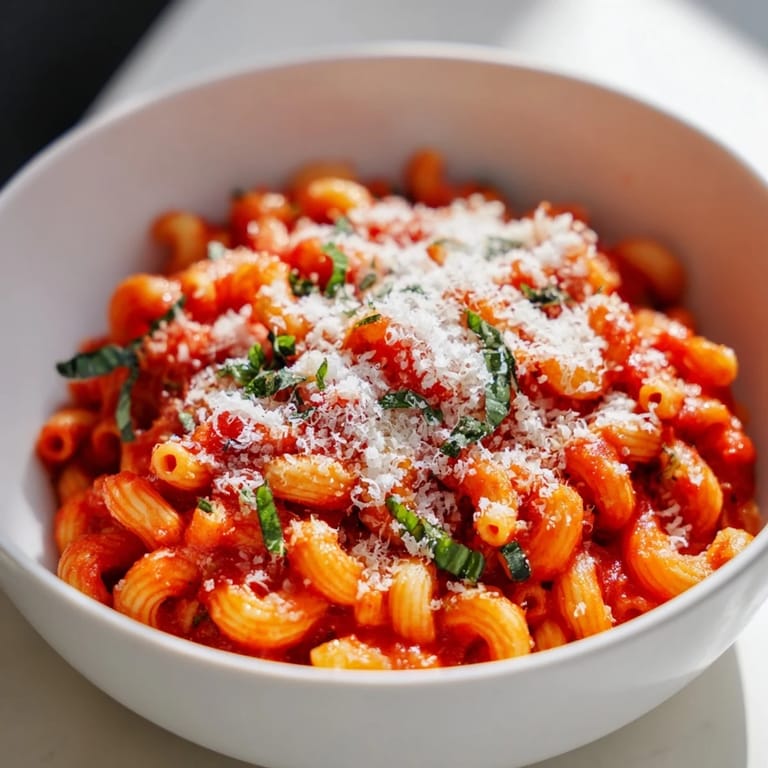
- Parmesan cheese and fresh herbs: These finish what the sauce started, adding texture and brightness that make the bowl feel intentional, not rushed.
Tired of Takeout? 🥡
Get 10 meals you can make faster than delivery arrives. Seriously.
One email. No spam. Unsubscribe anytime.
Instructions
- Combine and submerge:
- Pour your dried pasta into a large microwave-safe bowl, add the water and salt, and make sure every strand is underwater—this matters more than you'd think. If it's peeking above the surface, add a splash more water.
- First microwave burst:
- Cover the bowl with nothing (steam needs to escape) and microwave on high for four minutes. You'll hear it bubbling and smell the starch releasing—that's your signal everything's working.
- Stir and continue:
- Pull the bowl out carefully, give it a good stir to prevent sticking, and return it for two to three minutes at a time, stirring between each burst. This stops the pasta from clumping and lets you catch that perfect al dente moment.
- Test for doneness:
- Bite a piece around the eight-minute mark—it should have a tiny bit of resistance, not be mushy. Every microwave cooks differently, so trust your teeth more than the clock.
- Drain with intention:
- Use a fine-mesh sieve or carefully tilt the bowl while holding back the pasta with a fork, letting the starchy water pour off. That water was doing its job, so you're done with it now.
- Sauce and finish:
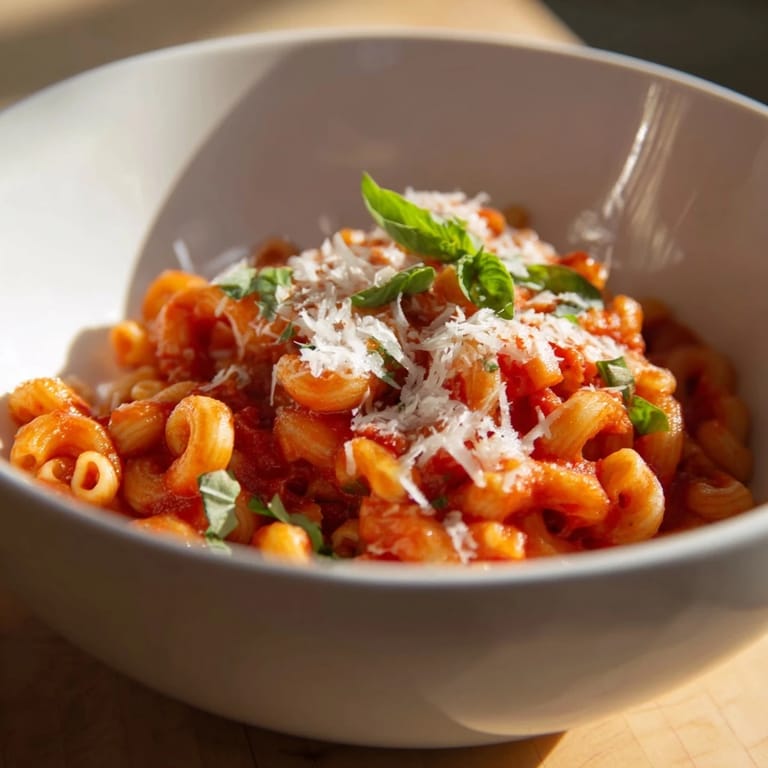
- Pour your chosen sauce directly onto the hot pasta, stir until every piece glistens, then taste. Parmesan and fresh basil or parsley scattered on top transform this from quick dinner to something you actually wanted to eat.
 Save
Save My favorite version of this happened when my neighbor brought me fresh basil from her garden. A handful of leaves turned a five-minute meal into something I actually savored, sitting at my kitchen counter like I had all the time in the world. That's when I understood—even the quickest meals deserve at least one fresh element.
When Speed Isn't Just Convenient—It's Survival
There's a specific kind of hunger that lives in dorms and apartments and late workdays, where ordering takeout feels expensive and cooking on a stove feels impossible. This pasta exists for that hunger. I've made it at midnight, at noon between meetings, and at three in the afternoon when I suddenly remembered I hadn't eaten anything. Every time, I've been grateful for ten minutes and a microwave.
The Sauce Matters More Than the Pasta
A jarred marinara isn't settling—it's smart strategy. The sauce carries all the flavor here, so choose one you'd actually eat on its own. I tested this with basic sauce versus a fancy artisanal version, and the difference was real. Your favorite store-bought sauce will make this taste like you cared, and honestly, buying good sauce is a form of caring.
Small Additions That Change Everything
The pasta itself is a blank canvas, which means toppings and mix-ins are where personality lives. I've thrown in frozen spinach in the last two minutes, added canned chickpeas for protein, and even tossed in leftover roasted vegetables from the fridge. The microwave doesn't judge; it just heats everything until it's hot.
- Fresh herbs—even dried parsley from a jar—make this taste like you planned it instead of rescued it.
- A crack of black pepper and a pinch of extra salt at the very end lift flavors that might otherwise disappear.
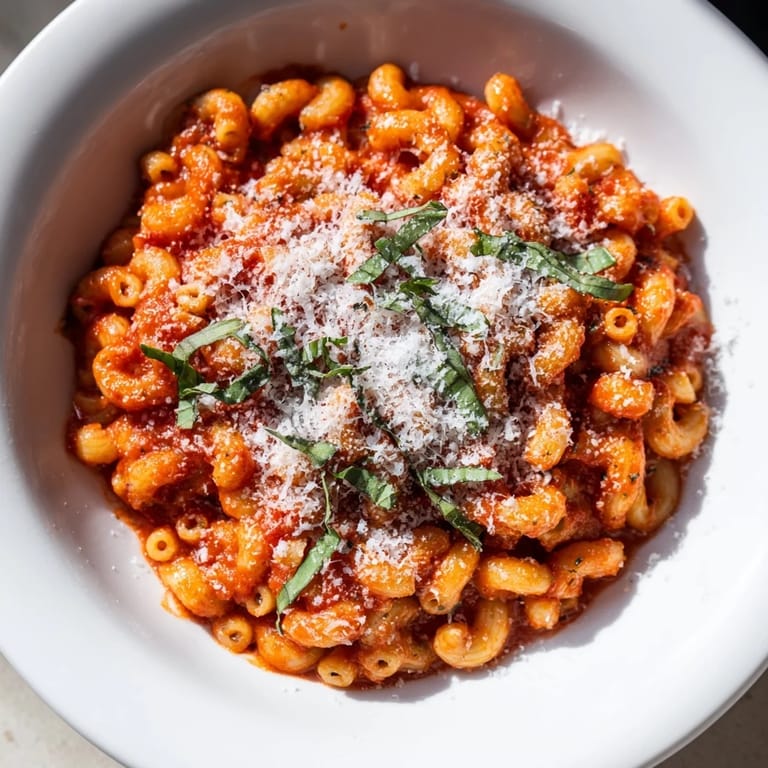
- Grated Parmesan, not the green can but real cheese you grated yourself if you have two minutes, costs almost nothing and transforms the entire bowl.
 Save
Save This recipe proved to me that convenience and intention aren't opposites. Sometimes the fastest meal is exactly the one you need, and sometimes taking fifteen minutes to feed yourself with a little care is enough.
Recipe FAQs
- → How long does it take to cook pasta in a microwave bowl?
Cooking time typically ranges between 8 to 12 minutes, depending on the pasta shape and microwave wattage. Stir periodically for even cooking.
- → Can I use gluten-free pasta for this method?
Yes, gluten-free varieties can be used but monitor cooking times closely as some may cook faster than traditional pasta.
- → What sauces work best with microwave bowl pasta?
Marinara, pesto, or Alfredo sauces complement the pasta well and can be added immediately after draining for quick flavor infusion.
- → Is it safe to microwave pasta directly in water?
When using a microwave-safe bowl and following recommended times, it is safe. Stir occasionally to prevent uneven cooking.
- → Can I add vegetables or proteins during cooking?
Adding frozen peas or spinach in the last few minutes enriches nutrition. Pre-cooked proteins like shredded chicken or chickpeas can be mixed in after cooking.