 Save
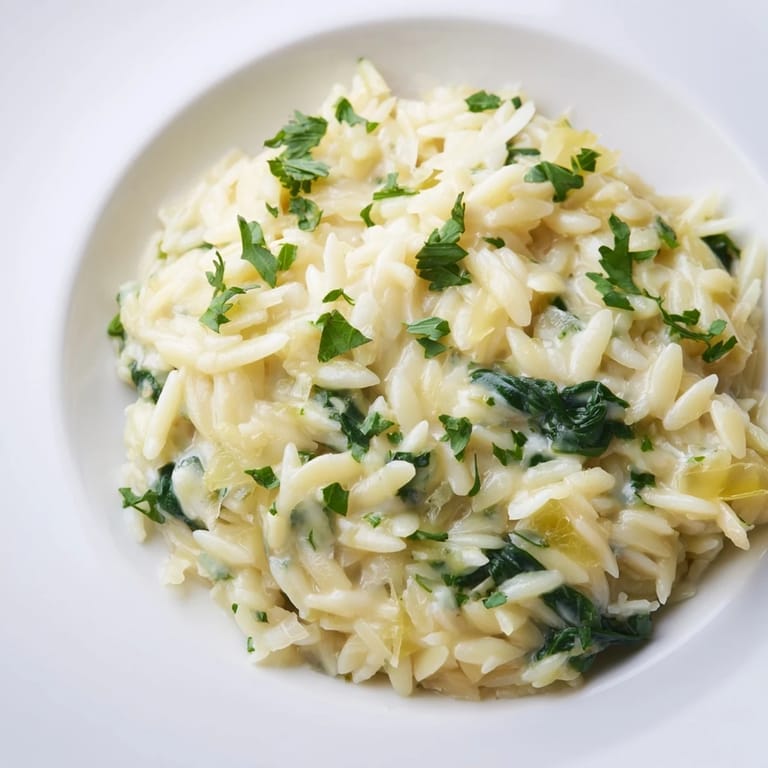
Save There's something about a creamy pasta dish that makes everything feel manageable again. I discovered this one-pot creamy orzo on a Tuesday evening when I had ten minutes and a kitchen that felt too small for ambition, but the orzo—that tiny rice-shaped pasta—transformed into something so silky and comforting that my whole outlook shifted. Now it's become my go-to when I need to feed people without the usual theatrical mess of multiple pans.
I remember making this for my neighbor Marcus after his son was born, showing up with a pot still warm from the stove. He told me weeks later that he'd reheated it three times over the first week, and his wife had asked for the recipe immediately. That's when I realized this wasn't just dinner—it was the kind of dish that says 'I'm thinking of you' without being fussy about it.
Ingredients
- Orzo pasta (1 1/2 cups): This small, rice-shaped pasta is the heart of the dish, absorbing flavor beautifully and cooking quickly without turning mushy.
- Unsalted butter (2 tablespoons): The foundation for toasting the orzo and creating depth before any liquid hits the pan.
- Vegetable broth (3 cups): Use low-sodium so you control the salt level—homemade is even better if you have it.
- Heavy cream and milk (1/2 cup each): The cream makes it luxurious, but milk keeps it balanced and prevents it from becoming overwhelmingly rich.
- Parmesan cheese (1/2 cup): Freshly grated makes an enormous difference; the pre-shredded kind contains anti-caking agents that can make the sauce grainy.
- Mozzarella cheese (1/2 cup, optional): Adds stretch and additional richness, but the dish works beautifully without it.
- Garlic (3 cloves) and yellow onion (1 small): These aromatics build the savory foundation that makes everything taste intentional.
- Fresh spinach (2 cups) and parsley (1/4 cup): The spinach wilts in at the end for color and nutrition, while parsley brightens the final flavor.
- Salt, black pepper, and red pepper flakes: Taste as you go—the broth brings saltiness, so you might need less than you'd think.
Tired of Takeout? 🥡
Get 10 meals you can make faster than delivery arrives. Seriously.
One email. No spam. Unsubscribe anytime.
Instructions
- Start with butter and aromatics:
- Melt the butter over medium heat and add your diced onion. Let it soften for three to four minutes until it becomes translucent and fragrant—you'll notice the kitchen smells suddenly alive. Add the minced garlic and cook for just one minute more until it's fragrant but not browned, as burnt garlic turns bitter.
- Toast the orzo:
- Add the dry orzo to the pan and stir constantly for two minutes, letting it coat in the butter and toast slightly. You'll hear it click softly against the pan, and this step builds a subtle nutty flavor that makes a real difference.
- Add your liquid:
- Pour in the vegetable broth and milk, stirring everything together to make sure no orzo sticks to the bottom. Bring it to a gentle simmer—not a rolling boil, which can make the pasta break apart.
- Let it simmer and absorb:
- Cook uncovered for ten to twelve minutes, stirring frequently so the pasta cooks evenly and the liquid reduces gradually. You'll see the liquid level drop and the pasta become tender—trust this process, even though it feels like it's happening slowly.
- Add creaminess:
- Pour in the heavy cream and add your grated Parmesan, stirring gently until the cheese melts and the sauce becomes silky and cohesive. If using mozzarella, add it now and stir until fully incorporated.
- Finish with greens:
- Fold in the chopped spinach and cook for just one to two minutes until it's wilted and deep green. Remove from heat, stir in your fresh parsley, taste, and season with salt, pepper, and red pepper flakes if you'd like a gentle heat.
 Save
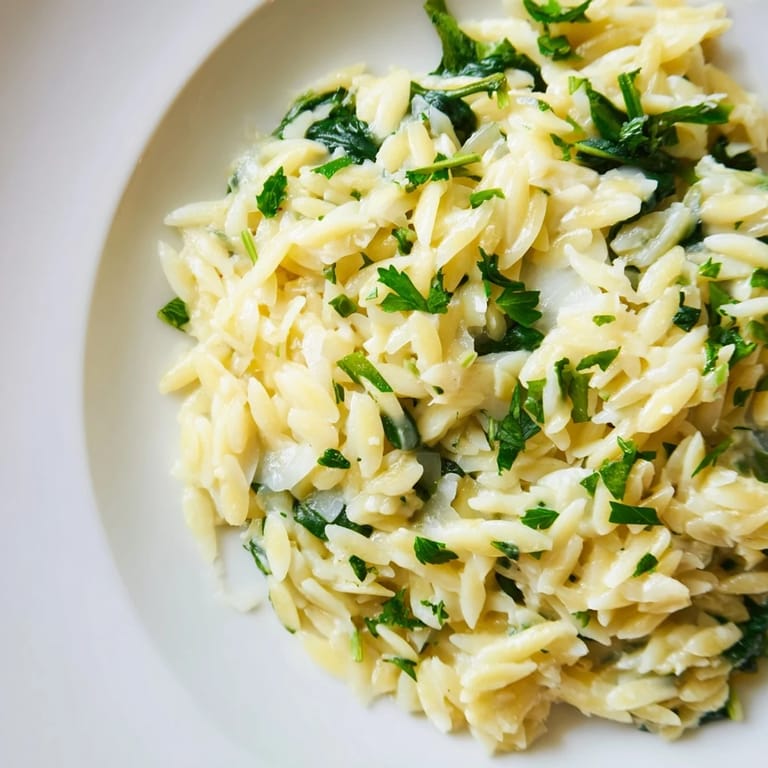
Save I made this for myself one Friday night after a long week, and something about the ritual of stirring, watching the pasta transform, and breathing in the garlic and butter felt almost meditative. By the time I sat down with a bowl, I wasn't just feeding hunger—I was feeding something deeper that needed comfort and attention.
Why This Became a Weeknight Essential
The beauty of this dish lies in its honesty. There's no pretense, no complicated technique that requires years of training. It's built on the principle that good ingredients, treated with respect and timing, create something greater than the sum of their parts. Butter and garlic are never subtle, cream and cheese are always welcome, and orzo's neutral character lets everything shine without fighting for attention.
Making It Your Own
This recipe has flexibility built into its bones. I've added roasted mushrooms when I had them, stirred in sun-dried tomatoes for brightness, and once added a handful of tender peas because that's what was in the freezer. A friend made it with kale instead of spinach and swore it was superior, while another added crispy prosciutto on top and called it elevated. The creamy base is forgiving enough to absorb your additions without losing its core identity.
Beyond the Basic Bowl
I've learned that this dish grows into something different depending on your mood and what you pair it with. Serve it as-is for pure comfort, or layer it with purpose by adding protein—cooked chicken makes it a complete meal, shrimp brings elegance, and sautéed mushrooms turn it into something almost luxurious. A crisp glass of Pinot Grigio or Sauvignon Blanc alongside creates a moment that feels intentional, even on a weeknight.
- If you're making this vegan, use plant-based butter and cream, cashew-based Parmesan, and verify your broth is truly vegetable-based.
- Don't let the mixture boil aggressively once you've added cream, as high heat can cause the sauce to separate or taste curdled.
- Leftover orzo actually improves the next day when flavors have had time to meld, and it reheats gently in a low oven with a splash of extra broth.
 Save
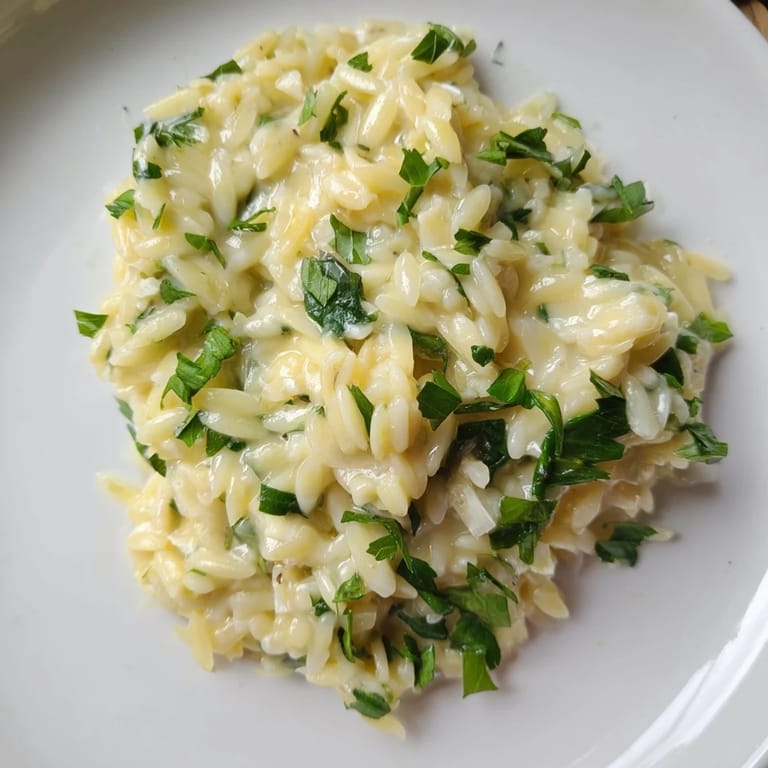
Save This one-pot creamy orzo has taught me that some of the most satisfying meals are the ones that ask the least of you while giving back the most. It's become a reliable friend in my kitchen, the kind of recipe you return to not because it's trendy, but because it actually works.
Recipe FAQs
- → How do I prevent the orzo from sticking?
To avoid sticking, toast the orzo briefly in butter before adding liquids and stir frequently during cooking until tender.
- → Can I use other greens besides spinach?
Yes, kale or arugula can be substituted for spinach, adding slightly different textures and flavors.
- → Is mozzarella cheese necessary?
Moisture-rich mozzarella is optional; it enhances creaminess but the dish remains rich with just Parmesan and cream.
- → How can I make this dish vegan?
Use plant-based butter, cream, and cheese substitutes, and ensure both the orzo and broth are vegan-friendly.
- → What wines pair well with this dish?
Crisp white wines like Pinot Grigio or Sauvignon Blanc complement the creamy texture and mild flavors.
- → Can I add protein to this dish?
Cooked chicken, shrimp, or sautéed mushrooms can be added to enhance protein content and flavor variety.