 Save
Save There's something about tabbouleh that stopped me in my tracks the first time I tasted it at a neighborhood block party—not the fancy kind with catering, but the kind where everyone just brought what they could make quickly. My friend Layla set down this vibrant green bowl, and it was pure sunshine in a serving dish. The brightness came from handfuls of parsley, the kind of generosity I'd never considered in a salad before. I asked for the recipe that afternoon, and she laughed, saying it was simpler than I thought. She was right.
I made this for a potluck on a sweltering July evening, and it became the thing people returned to three times over. Someone even asked if I'd brought two batches. I hadn't—it just disappeared faster than the heavier casseroles because it was exactly what everyone needed when the weather was hot and nobody wanted to feel stuffed.
Ingredients
- Fine bulgur wheat (1 cup): This is the foundation, and fine bulgur matters—it's finer than the cracked wheat used in other dishes, so it hydrates quickly and has a tender bite without mushiness.
- Boiling water (1 1/2 cups) and sea salt (1/2 teaspoon): The salt goes in the water because it seasons the bulgur as it absorbs, not after, which makes a real difference in the final flavor.
- Ripe tomatoes (2 cups, diced): This is non-negotiable—use tomatoes at peak ripeness, the kind that smell like tomatoes, or the whole thing falls flat and tastes like you're eating salad out of obligation.
- English cucumber (1/2, diced): The seeds are smaller and less watery than regular cucumbers, so you get crunch without turning the bowl into soup by the next day.
- Fresh flat-leaf parsley (1 1/2 cups, finely chopped): This isn't a garnish amount—parsley is the actual star, not a supporting player, so chop boldly and don't hold back.
- Fresh mint (1/2 cup, finely chopped): Fresh mint brings an almost cool brightness that makes your mouth feel awake; dried mint tastes like dusty sadness by comparison.
- Scallions (4, thinly sliced): The white and light green parts give you mild onion sweetness without the sharp bite of raw red onion.
- Extra virgin olive oil (1/4 cup): This is dressing, so use oil you'd actually want to eat—it's not the place to economize.
- Freshly squeezed lemon juice (1/4 cup): Bottled lemon juice tastes like regret; fresh juice is the whole point and takes maybe two minutes to squeeze.
- Garlic (1 clove, minced): One clove is enough—you want a whisper of garlic, not garlic soup.
- Ground black pepper (1/2 teaspoon): Add it now, not at the end, so it distributes through the dressing instead of settling at the bottom.
- Feta cheese (1/4 cup, crumbled, optional): If you use it, use good feta—the salty, creamy kind that actually tastes like something, not the rubbery blocks.
- Toasted pine nuts (1/4 cup, optional): Toast them yourself if you can; toasted nuts have a warmth and crunch that raw ones just don't have.
Tired of Takeout? 🥡
Get 10 meals you can make faster than delivery arrives. Seriously.
One email. No spam. Unsubscribe anytime.
Instructions
- Pour boiling water over the bulgur:
- Place bulgur and salt in a large bowl, pour boiling water over it, cover the bowl, and walk away for 10 minutes. You'll hear it sizzle slightly—that's the sound of hydration happening. The grains should be tender but not mushy when you fluff them with a fork.
- Make the dressing while bulgur rests:
- Whisk olive oil, lemon juice, minced garlic, and pepper together in a small bowl until it tastes bright and balanced. Taste it straight—it should make your mouth want something to eat.
- Combine everything gently:
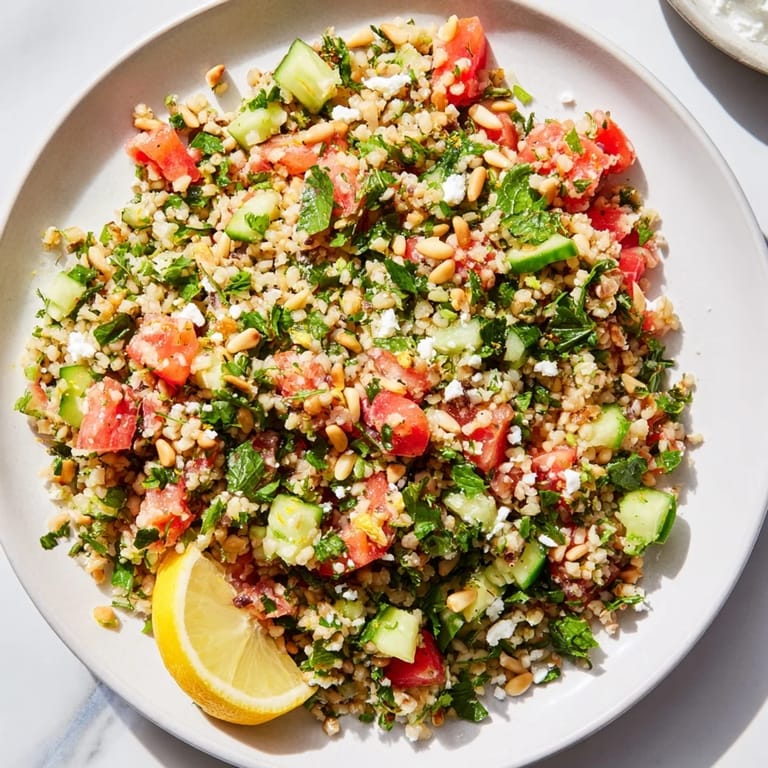
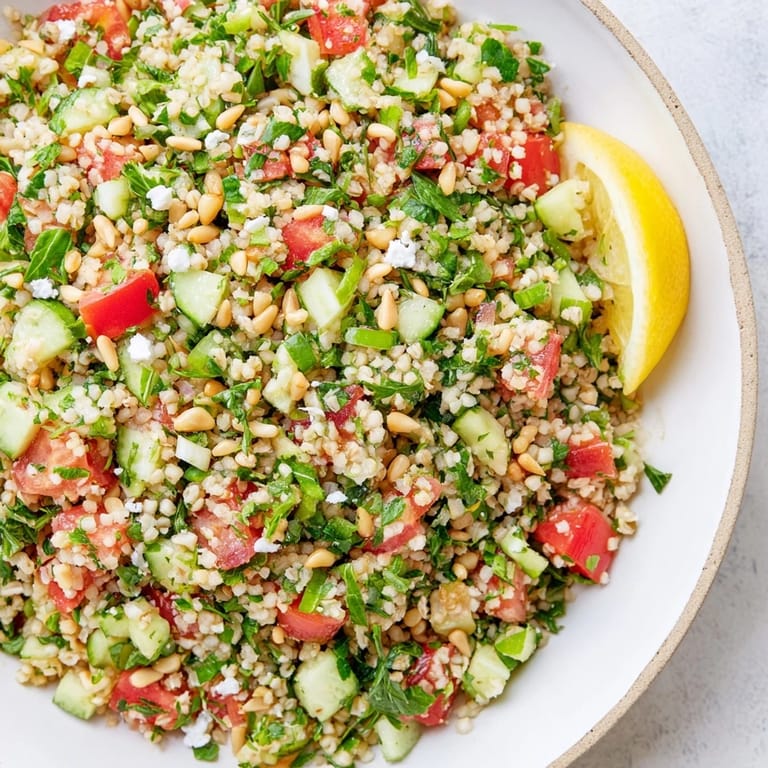
- Once the bulgur is cool, add tomatoes, cucumber, parsley, mint, and scallions. Toss with your hands or a fork, feeling the textures come together. Then pour the dressing over and mix until every grain is coated and the parsley glistens.
- Taste and let it rest:
- Taste a bite and adjust salt or lemon if it needs it—trust your mouth here. Chill for 10 minutes if you have time, though it's honest and good at room temperature too.
- Serve with toppings:
- Spoon into bowls and scatter feta and pine nuts on top if using. A lemon wedge on the side lets people squeeze more brightness in if they want it.
 Save
Save The moment that made this recipe stick with me happened at a picnic where someone I'd never met before asked for thirds, then asked if I'd taught cooking classes. I laughed and said no, but standing there watching people eat something that honest and alive felt like a small kind of accomplishment.
Why This Feels Different from Regular Salad
Most salads wilt and apologize by the time you're halfway through the bowl. Tabbouleh actually improves as it sits because the bulgur continues to absorb the lemon juice and oil, becoming more flavorful and cohesive. The herbs stay bright for hours, and the vegetables don't break down into mush. It's the rare salad that tastes better the next day than it does fresh.
How to Make It Work for Different Times
In summer, serve it cold straight from the fridge and watch it become people's favorite thing at dinner. In cooler months, serve it at room temperature with warm pita bread alongside, and it feels more substantial without being heavy. For potlucks, it travels beautifully in a container—no wilting, no sogginess, just reliable deliciousness. It's forgiving in a way that feels generous.
Variations and Add-Ins That Actually Work
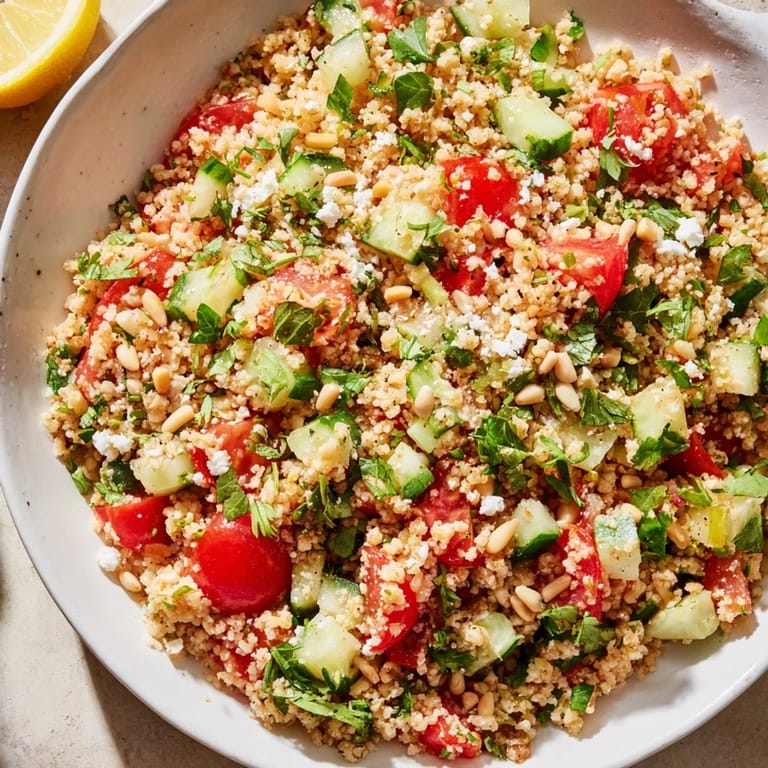
You can fold in chickpeas for protein without changing the character of the dish, or toss in grilled chicken if you want something more substantial. For gluten-free versions, cooked quinoa works beautifully and keeps the same bright, fresh feeling. Some people add pomegranate seeds for sweetness and pop, and that's genuinely lovely if you want something a little fancier.
- Roasted red peppers add sweetness and color without overwhelming the herb-forward flavor.
- A handful of crumbled whole-grain crackers stirred in at the last second keeps the salad from feeling too uniform and soft.
- If you make this for someone with a shellfish allergy, skip the feta if it's an issue for them, but the salad stands on its own perfectly well.
 Save
Save This is the kind of recipe that reminds you why people gather around food in the first place. It's simple, honest, and makes you feel good while you're eating it.
Recipe FAQs
- → What grain is used as the base?
Fine bulgur wheat is used, soaked in boiling water until tender for a light texture.
- → Can the grain be substituted for gluten-free options?
Yes, cooked quinoa is a great gluten-free alternative to bulgur.
- → What herbs enhance the flavor?
Fresh parsley, mint, and scallions add aromatic and refreshing notes to the bowl.
- → How is the dressing prepared?
A simple mix of extra virgin olive oil, freshly squeezed lemon juice, minced garlic, and black pepper creates a zesty dressing.
- → What optional toppings can be added?
Crumbled feta cheese, toasted pine nuts, and lemon wedges provide richness, crunch, and extra zest.
- → How should this dish be stored?
Store in the refrigerator covered for up to 2 days to maintain freshness and flavor.