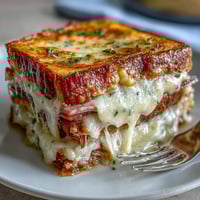
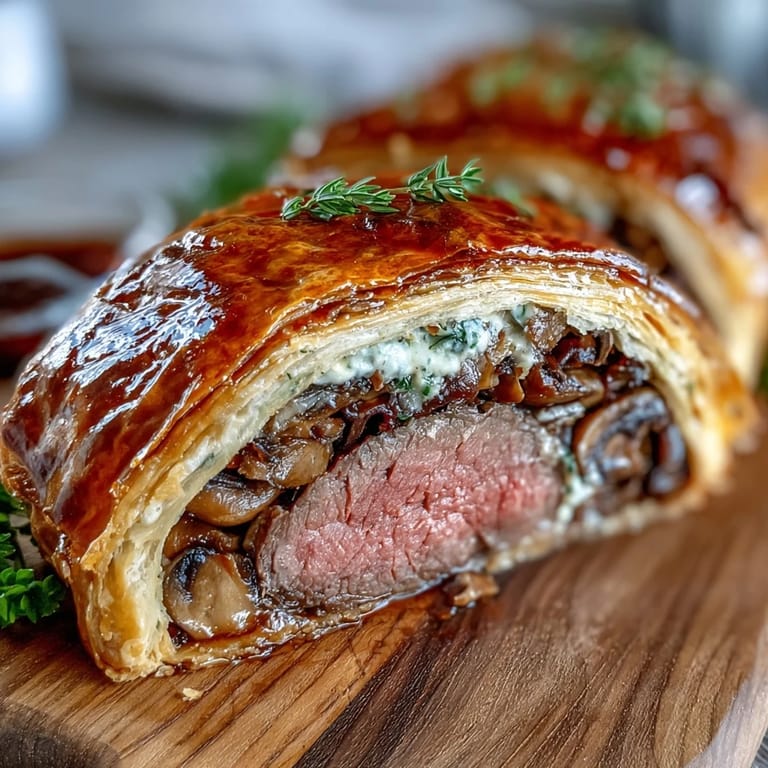
 Save
Save The oven light was on, and I was crouched in front of it like a kid watching Saturday morning cartoons. My first Beef Wellington was halfway through its bake, puffing up golden and gorgeous, and I couldn't stop checking it. I'd psyched myself out for weeks thinking this dish was reserved for chefs in tall hats, but there I was, pulling it off in my own kitchen. The smell of buttery pastry mingling with earthy mushrooms made the whole house feel like a dinner party even though it was just a Tuesday.
I made this for my partner's birthday one year, and halfway through slicing it at the table, I realized I'd forgotten to let it rest long enough. Juices ran everywhere, but honestly, nobody cared. The pastry shattered under the knife, the beef was blushing pink in the center, and the whole room went quiet except for the sound of forks on plates. Sometimes a dish is so good it makes you forget the small mistakes.
Ingredients
- Beef tenderloin: This is your star, so buy the best you can afford and make sure it's trimmed of any silver skin or excess fat before you start.
- Vegetable oil: A high smoke point oil is key here since you're searing over serious heat to get that deep brown crust.
- Cremini mushrooms: They have more flavor than button mushrooms, and chopping them finely helps them cook down into a rich, concentrated paste.
- Shallots and garlic: These add a sweet, aromatic base to the duxelles and keep it from tasting one note.
- Unsalted butter: Gives the mushrooms a silky richness and helps them caramelize without burning.
- Fresh thyme: A little goes a long way, and it brings an herbal brightness that cuts through the richness of the beef and pastry.
- Prosciutto: Acts as a moisture barrier and adds a salty, savory layer that ties everything together.
- Dijon mustard: Brushing this on the beef before wrapping adds a sharp, tangy contrast that wakes up the whole dish.
- Puff pastry: Store-bought is absolutely fine, just make sure it's fully thawed and cold when you work with it.
- Egg wash: This is what gives the pastry that glossy, bakery-perfect finish.
Tired of Takeout? 🥡
Get 10 meals you can make faster than delivery arrives. Seriously.
One email. No spam. Unsubscribe anytime.
Instructions
- Preheat and Prep:
- Get your oven to 425°F so it's screaming hot and ready when the Wellington goes in. This high heat is what makes the pastry puff and crisp up beautifully.
- Sear the Beef:
- Season the beef generously with salt and pepper, then sear it hard and fast in hot oil until every side is deeply browned. Let it cool completely before moving forward, or the heat will melt everything when you assemble.
- Cook the Duxelles:
- Melt butter in the same skillet, then sweat the shallots and garlic until fragrant. Add the mushrooms and thyme, season well, and cook until all the moisture cooks off and you're left with a thick, dark paste.
- Lay Out the Prosciutto:
- Use plastic wrap to help you arrange the prosciutto slices in a slightly overlapping rectangle. This will become the wrapper that holds the duxelles against the beef.
- Spread the Duxelles:
- Spread the cooled mushroom mixture evenly over the prosciutto, leaving a small border around the edges. This layer adds flavor and keeps the pastry from getting soggy.
- Coat the Beef:
- Brush the cooled beef all over with Dijon mustard, then place it on top of the duxelles. The mustard adds a tangy punch and helps everything stick together.
- Roll It Tight:
- Use the plastic wrap to lift and roll the prosciutto and duxelles around the beef into a tight log. Twist the ends like a candy wrapper and chill for 20 minutes to firm everything up.
- Roll Out the Pastry:
- On a floured surface, roll the puff pastry into a rectangle large enough to fully wrap the beef log. Keep it cold and work quickly so the butter in the pastry doesn't soften.
- Wrap and Seal:
- Unwrap the beef from the plastic and set it in the center of the pastry. Fold the pastry over, trim any excess, and seal the edges by pressing gently with a fork or your fingers.
- Egg Wash and Chill:
- Place the wrapped Wellington seam-side down on a parchment-lined baking sheet, brush with beaten egg, and chill for 10 minutes. This helps the pastry hold its shape in the oven.
- Bake Until Golden:
- Slide it into the hot oven and bake for 40 to 45 minutes until the pastry is deeply golden and an instant-read thermometer reads 120°F for rare or 130°F for medium-rare. Don't skip the thermometer, it's your best friend here.
- Rest and Slice:
- Let the Wellington rest for 10 to 15 minutes before slicing so the juices settle back into the meat. Use a sharp knife and cut confident, clean slices to show off those gorgeous layers.
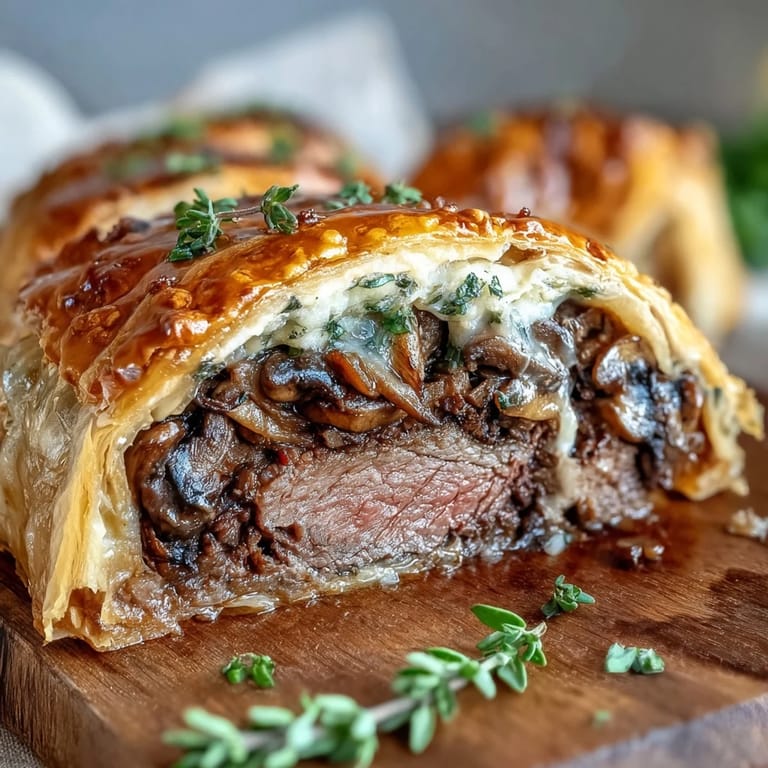 Save
Save The first time I sliced into a Wellington that actually worked, I felt like I'd unlocked some secret level of cooking. My mom was visiting, and she kept asking how I learned to do this, like I'd taken some fancy class. I told her I just followed the steps and trusted the process, but really, it was the quiet pride of knowing I could make something this beautiful that made the whole thing worth it.
Getting the Doneness Right
The hardest part of Beef Wellington isn't the technique, it's pulling it out of the oven at exactly the right moment. You want the pastry golden and crisp, but the beef still rosy and tender in the center. I learned to trust my thermometer more than my eyes, because that pastry can look done while the beef is still climbing in temp. Pull it at 120°F if you like it rare, 130°F for medium-rare, and remember it'll coast up a few degrees while it rests.
Make Ahead Magic
This is one of those dishes that actually benefits from being prepped in stages. I've wrapped the whole thing in pastry the night before, kept it in the fridge, and just brushed it with egg wash before baking the next day. It saves you from that frantic last-minute scramble and lets you enjoy your own party. Just make sure everything is properly chilled at each stage, and don't leave it in the fridge for more than 24 hours or the pastry can get soggy.
What to Serve Alongside
Beef Wellington is rich and filling, so I like to keep the sides simple and bright. Roasted asparagus with lemon, creamy mashed potatoes, or a crisp green salad with a sharp vinaigrette all work beautifully. A bold red wine sauce or a quick pan jus made from the beef drippings takes it over the top, but honestly, the Wellington is so flavorful it doesn't need much help.
- Make extra duxelles and freeze it, it's great on toast or stirred into risotto.
- Save your pastry scraps to cut into shapes and decorate the top before baking.
- If you're nervous about doneness, practice searing and temping a piece of beef before you commit to the full Wellington.
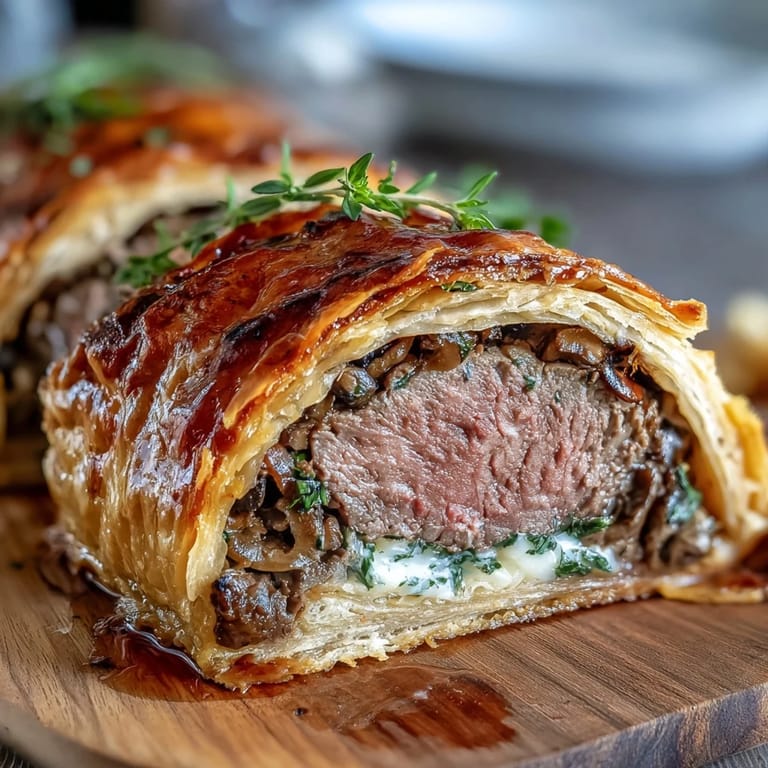 Save
Save This dish has a way of turning a regular dinner into a memory people talk about for years. I hope you make it, take your time, and feel that same quiet thrill when you pull it out of the oven and realize you nailed it.
Recipe FAQs
- → What cut of beef is best for Wellington?
Beef tenderloin (also called fillet) is ideal because it's tender, cooks evenly, and has a uniform shape that wraps beautifully in pastry. Choose a center-cut piece for consistent thickness.
- → How do I prevent soggy pastry?
Ensure the mushroom duxelles is completely dry by cooking until all moisture evaporates. Cool all components thoroughly before assembly, and the prosciutto layer acts as a moisture barrier between the beef and pastry.
- → Can I prepare Beef Wellington ahead of time?
Yes, assemble the Wellington completely and refrigerate for up to 24 hours before baking. Add 5-10 minutes to the cooking time if baking directly from the refrigerator.
- → What internal temperature should I aim for?
For medium-rare, aim for 130°F (54°C). Remember the beef will continue cooking while resting, so remove it from the oven when it's 5 degrees below your target temperature.
- → What should I serve alongside Beef Wellington?
Classic accompaniments include roasted vegetables, creamy mashed potatoes, green beans, or a fresh arugula salad. A rich red wine sauce or beef jus complements the dish beautifully.
- → Can I use a different type of mushroom?
Absolutely. While cremini or button mushrooms are traditional, you can use shiitake, portobello, or a mix of wild mushrooms for deeper, more complex flavors in your duxelles.