 Save
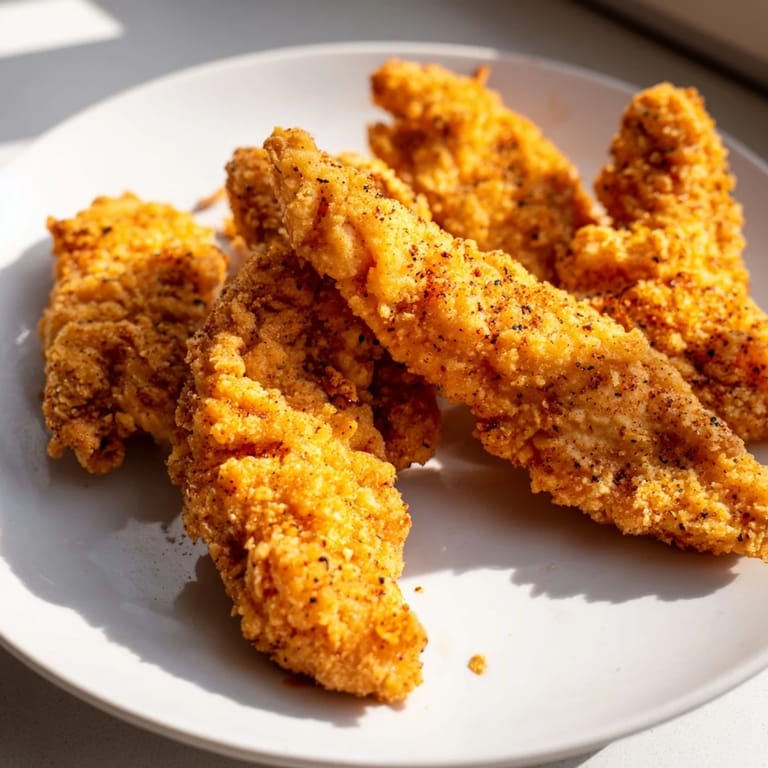
Save My kitchen still smells like that Sunday when my neighbor knocked on the door asking what I was cooking—the aroma of golden, crispy chicken tenders had somehow drifted across the hallway. I'd been experimenting with buttermilk marinades that week, trying to chase that perfect balance between tender inside and shatteringly crisp outside. What started as a simple weeknight dinner became the thing people now request when they know I'm cooking. The technique is straightforward, but there's a magic in the buttermilk that transforms ordinary chicken into something people actually get excited about.
I made these for my sister's potluck last spring, and watching her grab a fourth one when she thought no one was looking told me everything. She'd been stuck in a cooking rut, making the same meals on rotation, and somehow this simple recipe reminded her why she loved cooking in the first place. That's when I realized it wasn't just about feeding people—it was about giving them permission to enjoy something unapologetically delicious without guilt.
Ingredients
- Chicken tenders (500 g): Use fresh, not frozen and thawed—the texture matters more than you'd think, and fresh chicken absorbs the marinade more effectively.
- Buttermilk (240 ml): This is non-negotiable; it's an acid that tenderizes while adding subtle tang that salt alone never achieves.
- Salt, black pepper, garlic powder, onion powder: The marinade seasoning should taste bold on its own—trust it to do the heavy lifting.
- All-purpose flour (180 g): Don't sift it unless you like dealing with clouds of flour; just spoon and level for consistent coating.
- Paprika, baking powder, cayenne pepper: Paprika adds color and warmth, baking powder creates tiny air pockets for extra crunch, and cayenne is there if you want heat—don't skip it just because it's optional.
- Vegetable oil (500 ml): Keep it neutral; peanut oil works beautifully if you want something with a slightly higher smoke point.
Tired of Takeout? 🥡
Get 10 meals you can make faster than delivery arrives. Seriously.
One email. No spam. Unsubscribe anytime.
Instructions
- Mix the marinade and coat the chicken:
- Whisk buttermilk with salt, pepper, garlic powder, and onion powder until combined. The marinade should smell savory and inviting—if it smells weak, add a pinch more garlic powder. Toss chicken tenders to coat completely, then cover and refrigerate for at least an hour; overnight is honestly worth the wait.
- Prepare the coating blend:
- In a shallow dish, combine flour, paprika, salt, pepper, cayenne, and baking powder. The baking powder is the secret weapon—it reacts with the moisture from the marinade to create those tiny bubbles that make the crust shatter when you bite it.
- Heat the oil properly:
- Pour oil into a deep skillet or Dutch oven and heat to 175°C (350°F). If you don't have a thermometer, a small piece of bread should sizzle immediately and turn golden in about 60 seconds; too hot and the outside burns before the inside cooks, too cool and you get greasy sadness.
- Dredge and arrange:
- Remove each tender from the marinade, letting excess drip back into the bowl for a few seconds. Press the tender into the flour mixture, flip it, and press again—this double pressure means the coating clings instead of sliding off in the oil.
- Fry with patience and respect:
- Working in batches so you don't crowd the pan (this drops the oil temperature and ruins everything), carefully lay each tender away from you into the hot oil. Fry for about 4–5 minutes per side until deeply golden, turning once halfway through. The internal temperature should hit 75°C (165°F) when checked with a thermometer at the thickest part.
- Rest before serving:
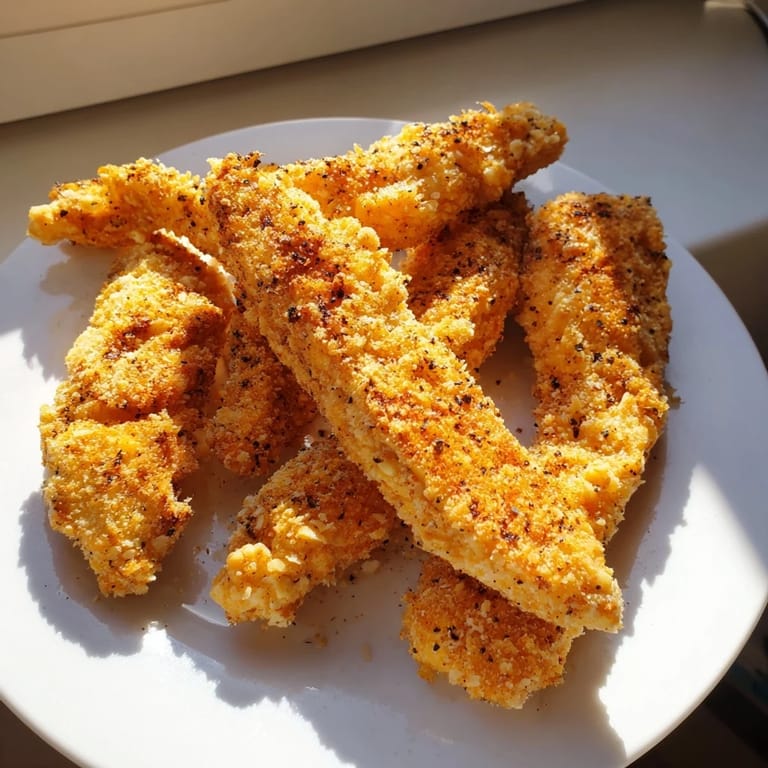
- Transfer tenders to a paper towel-lined plate immediately and let them sit for two minutes—this allows the coating to set and the carryover heat to finish cooking. This small pause makes a genuine difference in texture.
 Save
Save There's a moment right after the oil stops crackling, when you lift a piece out and it's still sizzling slightly, that feels like small kitchen magic. My nephew bit into one once and said "it's like chicken surprised by flavor," which somehow perfectly captured why this recipe matters—it's simple food treated with respect.
The Double-Dip Secret
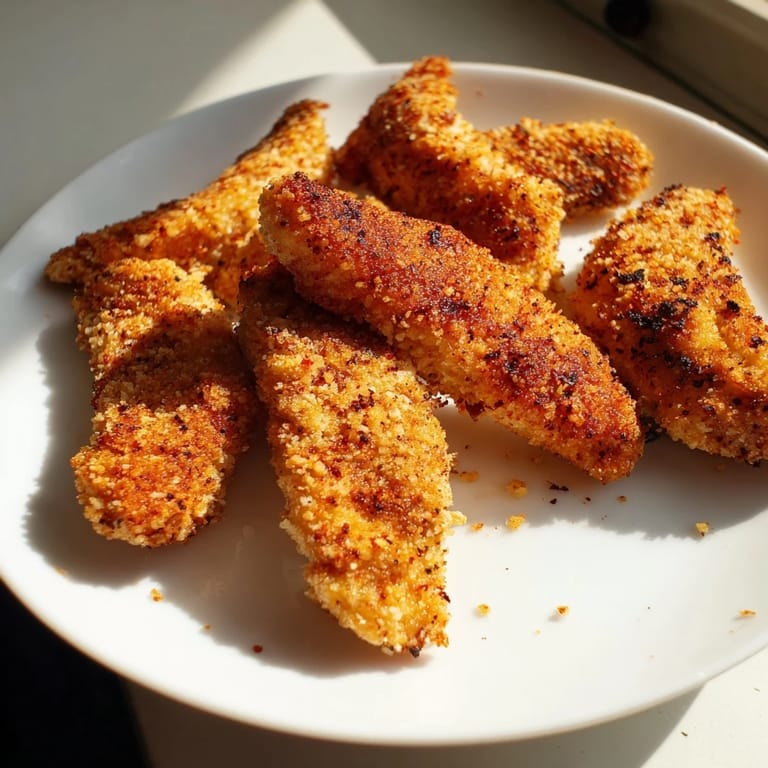
For absolutely maximum crunch, after your first flour coating, dip the tender back into the buttermilk for just a second, then coat again with the flour mixture. This double layer creates a thicker, craggier crust that shatters beautifully and stays crisp even when people are sneaking pieces an hour later. The first time I tried this, I thought I was overcomplicating things, but the textural difference is genuinely noticeable and worth the extra thirty seconds of effort.
Serving and Dipping Sauces
These tenders are spectacular on their own, but they're also the perfect canvas for whatever sauce speaks to you. Honey mustard brings sweetness against the savory crust, ranch is the comfort classic that works every single time, and hot sauce if you want to turn up the temperature. I've served them with everything from sriracha mayo to a simple squeeze of lemon, and every version has felt right for the moment.
Timing and Make-Ahead Options
The beauty of this recipe is that most of the work happens before you turn on the stove—you can marinate the chicken in the morning and fry in the evening, or even marinate overnight for deeper flavor. If you're cooking for a crowd, you can fry batches ahead and keep finished tenders warm in a 100°C oven on a wire rack; this prevents them from sitting in their own steam and getting soggy. The flour mixture also keeps in an airtight container for a few days, so having it prepped means dinner is truly just 15 minutes of actual cooking time.
- Marinate chicken for at least one hour, but overnight brings out the most tender, flavorful results.
- Keep finished tenders warm in a 100°C oven on a wire rack rather than a plate, which traps steam.
- If you're cooking ahead, reheat in a 175°C oven for 5 minutes to restore the crispness.
 Save
Save This recipe has become the thing I make when I want to remind myself why cooking matters—not because it's complicated, but because it turns simple ingredients into something people genuinely light up for. Make these once and you'll find yourself making them constantly.
Recipe FAQs
- → How long should I marinate the chicken tenders?
Marinate for at least 1 hour for best flavor, though overnight marination enhances tenderness and taste. The buttermilk's acidity breaks down proteins, making the chicken more tender and flavorful.
- → What oil temperature is ideal for frying?
Maintain 350°F (175°C) for optimal results. This temperature creates a golden, crispy crust while ensuring the inside cooks through. Use a cooking thermometer to monitor consistency throughout frying.
- → How can I make the coating extra crispy?
Double-dip the tenders: after the initial flour coating, dip back into buttermilk and coat with flour again. Adding baking powder to the flour mixture also enhances crispness by creating steam pockets.
- → Can I prepare this ahead of time?
Yes, marinate the chicken up to overnight for enhanced flavor. You can also bread the tenders in advance and refrigerate for up to 4 hours before frying for convenience.
- → What are good serving suggestions?
Serve with honey mustard, ranch dressing, hot sauce, or barbecue sauce. Pair with sides like coleslaw, mashed potatoes, or roasted vegetables for a complete meal.
- → How do I know when the chicken is fully cooked?
The internal temperature should reach 165°F (75°C) when checked with a meat thermometer. The exterior should be golden brown and the coating crispy—avoid overcrowding the pan to ensure proper cooking.