 Save
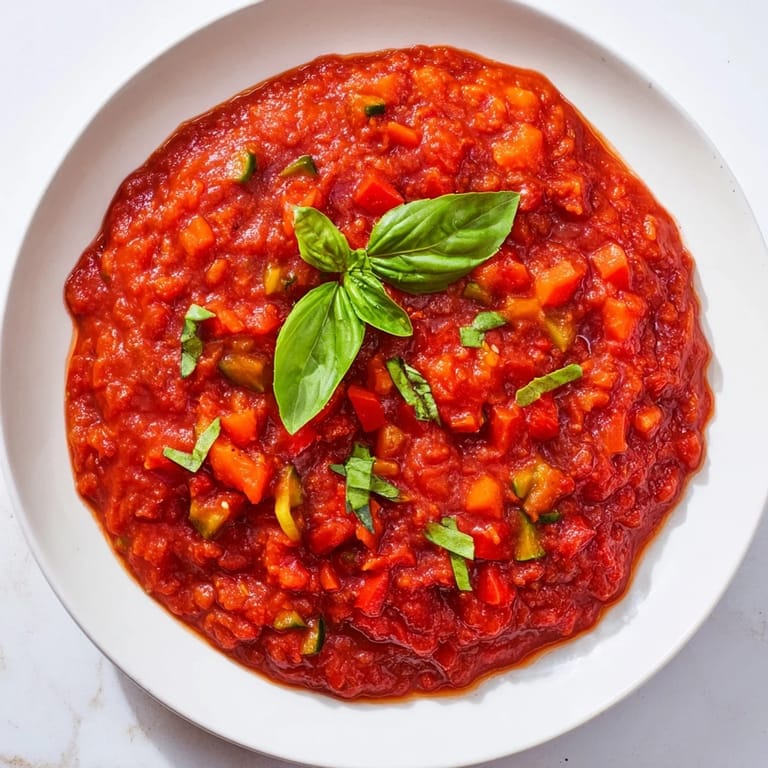
Save My kitchen smelled like caramelized onions and tomato paste the afternoon my neighbor mentioned she'd been buying jarred sauce at the store because nothing felt homemade enough. That's when I decided to make something that would prove a simple sauce could taste nothing like those thin, watery versions—something thick and vibrant, loaded with vegetables that disappeared into silky richness instead of floating around like an afterthought. This sauce became my answer to that conversation, the kind of thing you can serve knowing every spoonful has actual substance.
I made this for my sister's pasta night right after she started trying to eat more vegetables, and I remember her surprise when I told her what was in the sauce—she'd been eating three different vegetables in every bite without knowing it. The whole kitchen went quiet for a moment, just the sound of forks on plates, and then everyone asked for the recipe. That's when I knew I'd figured out something worth keeping around.
Ingredients
- Carrot, onion, celery, zucchini, and bell pepper: These five vegetables are the backbone, and cooking them together creates a base so flavorful you'll taste sweetness and depth without any sugar needed—chop them all to roughly the same size so they cook evenly.
- Garlic: Just two cloves, minced fine, added after the other vegetables soften so it stays bright and doesn't burn.
- Crushed tomatoes (two 400 g cans): The foundation of everything, choose a brand you like eating straight from the can because that quality matters here.
- Tomato paste (2 tablespoons): This concentrates the tomato flavor and thickens the sauce without cooking it for hours—don't skip it even though it seems like a small amount.
- Olive oil (1 tablespoon): Just enough to coat the pan and start the vegetables releasing their flavors.
- Oregano and basil (1 teaspoon each, dried): These are your Italian backbone, add them with the tomatoes so they have time to bloom and soften into the sauce.
- Salt, pepper, and optional sugar: Salt brings everything forward, pepper adds a whisper of sharpness, and that half teaspoon of sugar (if your tomatoes taste acidic) is a gentle balance—not sweetness, just equilibrium.
Tired of Takeout? 🥡
Get 10 meals you can make faster than delivery arrives. Seriously.
One email. No spam. Unsubscribe anytime.
Instructions
- Heat and soften:
- Warm the olive oil in a large saucepan over medium heat until it shimmers slightly, then add your onion, carrot, celery, zucchini, and bell pepper all at once. You'll hear them start to sizzle immediately—let them cook for 8 to 10 minutes, stirring every couple of minutes, until they soften and the edges of the carrots start to turn golden.
- Wake up the garlic:
- Add your minced garlic and stir for just one minute—you want it fragrant but not brown, that moment when your whole kitchen smells incredible. This is the point where you know it's going to be good.
- Deepen with paste:
- Stir in the tomato paste and let it cook for a minute, coating all those softened vegetables and turning everything a deeper red. This small step concentrates flavors instead of diluting them.
- Bring it together:
- Pour in both cans of crushed tomatoes, sprinkle in your dried oregano and basil, then add salt, pepper, and sugar if you're using it. Stir gently and watch the mixture come to a soft simmer—bubbles breaking gently at the surface, not a rolling boil.
- Let time do the work:
- Cover the pan, reduce heat to low, and let it cook for 20 to 25 minutes, stirring occasionally. The vegetables will become so tender they're almost dissolving, and the flavors will marry into something cohesive and rich.
- Transform into velvet:
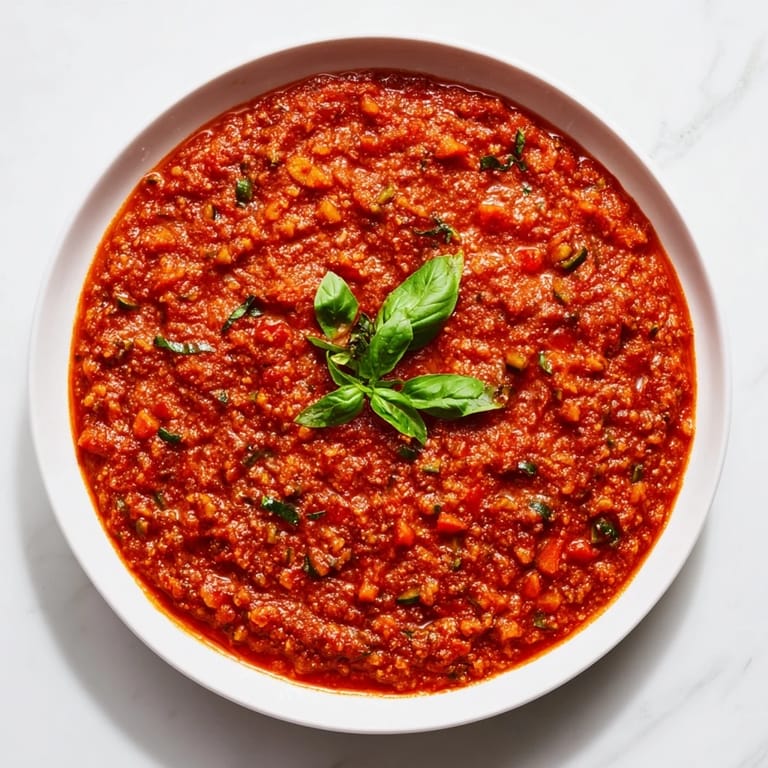
- Remove from heat and use an immersion blender to purée the sauce right in the pan, moving it slowly through the mixture until everything is completely smooth and silky. If you don't have an immersion blender, carefully transfer the sauce in batches to a countertop blender, blend, and pour it back into the pot.
- Final simmer:
- Return the pan to low heat, leave it uncovered, and let it simmer for another 5 to 10 minutes—this lets any excess moisture escape and deepens the flavors even more. Taste as you go, adjusting salt and pepper until it's exactly right.
- Serve:
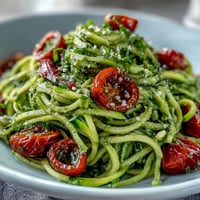
- Pour it hot over your favorite pasta, tear fresh basil over the top if you have it, and watch people go back for seconds.
 Save
Save There was a Tuesday night when my partner came home exhausted from work, and I'd made this sauce that morning—the kitchen still smelled like it, rich and warm. I reheated it while they sat at the counter telling me about their day, and by the time we ate, something about the simplicity of good sauce over pasta had made everything feel manageable again. Food doesn't have to be complicated to be healing.
Making It Your Own
This sauce is a canvas if you want it to be. I've stirred in a handful of fresh spinach right after blending, letting it wilt into the warmth and add iron without changing the flavor. Others add a pinch of red pepper flakes for heat, or a splash of red wine for depth, or even cooked lentils and white beans to make it heartier and more substantial. The beauty is that it's forgiving—it responds well to improvisation because the base is so solid.
Storage and Freezing
This sauce is one of those recipes that rewards you for making a big batch. It keeps in the refrigerator for four days, but it freezes beautifully for up to three months in airtight containers—I use individual portions so I can thaw exactly what I need on a random Thursday. There's something deeply satisfying about opening the freezer and knowing good sauce is waiting there.
Pairing and Serving Ideas
Beyond pasta, this sauce is versatile in ways I keep discovering. It's become my go-to for grain bowls, spooned over polenta, stirred into soups for extra depth, or even used as a pizza sauce when I've spread it thin. The key is that it's smooth and rich enough to cling to whatever it touches, making everything taste intentional instead of thrown together.
- Pair it with whole-wheat or gluten-free pasta to add extra fiber and nutrition.
- Toss it with warm vegetables like eggplant or roasted cauliflower for a completely plant-based meal.
- Use it as a base for shakshuka by poaching eggs directly into the warm sauce.
 Save
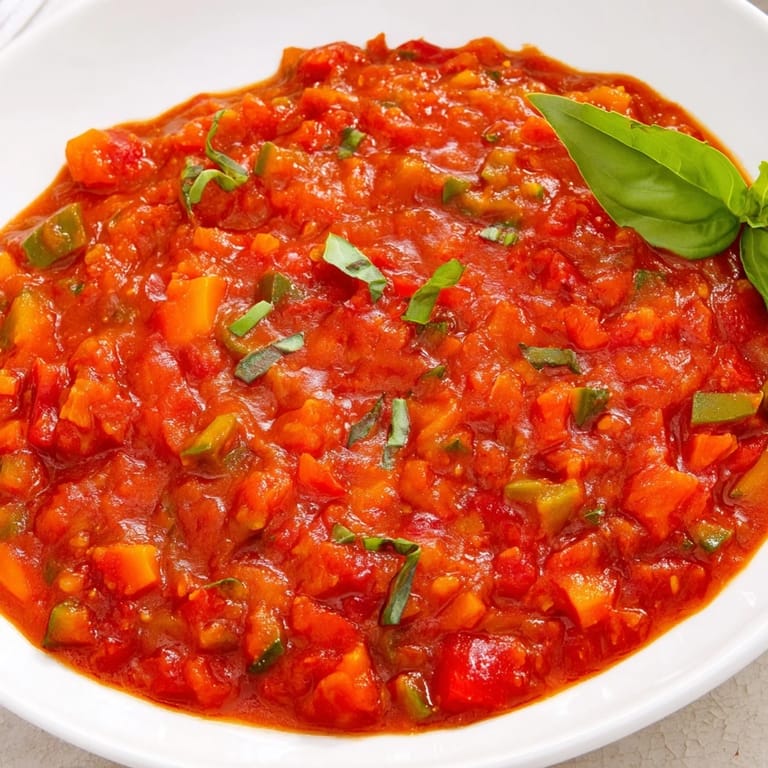
Save This sauce has become my quiet rebellion against the idea that feeding people well requires hours in the kitchen. What started as an answer to a neighbor's comment has turned into something I make for myself, for friends, for days when I need something nourishing without the fuss.
Recipe FAQs
- → What vegetables are used in this sauce?
The sauce includes carrot, zucchini, bell pepper, onion, celery, and garlic, all sautéed to bring out natural sweetness.
- → How can I adjust the sauce's texture?
After simmering, the sauce is puréed until smooth with a blender, but you can leave it chunky if preferred.
- → Can I make this sauce spicier?
Yes, adding red pepper flakes during cooking adds a gentle heat to elevate the flavor profile.
- → How long should the sauce simmer?
Simmering for 20-25 minutes softens the vegetables and allows the flavors to meld beautifully.
- → Are there optional ingredients to increase nutrition?
Adding spinach, broccoli florets, cooked lentils, or white beans enhances both nutrition and texture.