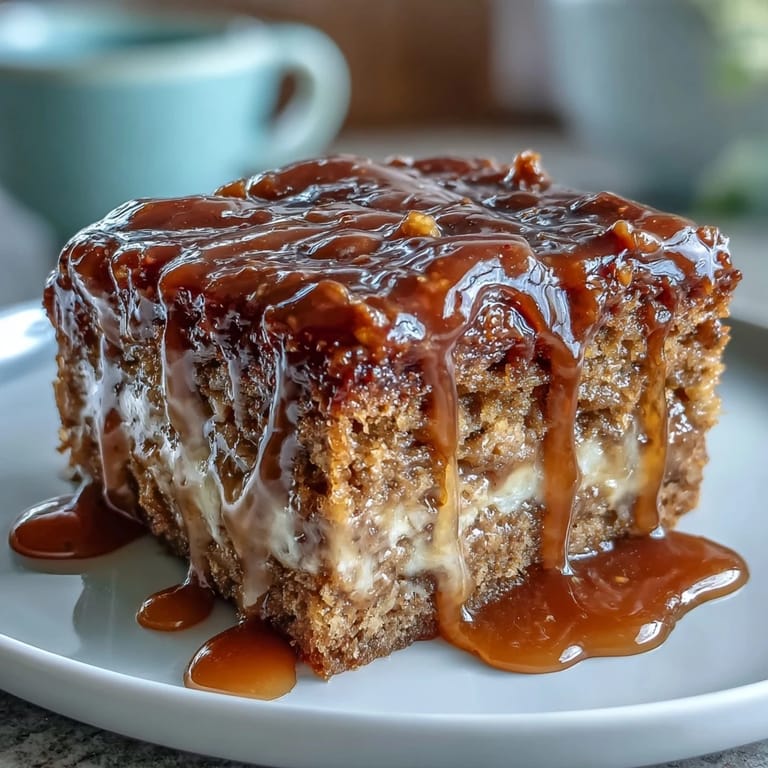
 Save
Save Last spring, my neighbor brought over a jar of homemade dandelion honey with this mysterious golden glow, and I had no idea what to do with it beyond spreading it on toast. That afternoon, I found myself sketching out a cake recipe on the back of an old grocery list, imagining how that floral sweetness might sing alongside bright lemon. The result was this tender, fragrant cake that somehow tastes like a warm day in May and feels like an excuse to gather people around your kitchen table. It's become the cake I make when I want something special but not complicated, when the season calls for something that feels both familiar and unexpectedly delicate.
I baked this cake for my sister's book club three weeks after first developing it, and the whole kitchen filled with such a warm, honeyed smell that people started arriving early just to breathe it in. One guest who claimed she never ate cake came back for a second slice, and I watched her close her eyes on that first bite like she was tasting something she didn't know she'd been missing. That's when I realized this cake does something beyond just being good—it makes people feel like spring showed up uninvited but entirely welcome.
Ingredients
- All-purpose flour (2 cups): The structure of everything—make sure it's measured by weight if you have a scale, as scooping and leveling prevents a dense cake.
- Baking powder & baking soda (1 1/2 tsp & 1/2 tsp): They work together to give you that tender crumb, and yes, you need both.
- Sea salt (1/2 tsp): A pinch that sounds tiny but amplifies the honey and lemon without making anyone taste salt.
- Unsalted butter (1/2 cup): Softened at room temperature so it creams properly—cold butter will fight you.
- Dandelion honey (1/2 cup): This is the soul of the cake; if you can't find it, regular honey works but misses that subtle, almost herbal quality that makes this special.
- Granulated sugar (1/2 cup): Works with the honey to create the tender structure and slight moisture.
- Eggs (3 large): Room temperature is not optional if you want them to incorporate smoothly into the batter.
- Vanilla extract (1 tsp): Pure vanilla only—imitation will taste harsh against the delicate honey.
- Whole milk (1/2 cup): Room temperature milk prevents shocking the batter and keeps everything silky.
- Lemon zest (2 tbsp): Use a microplane and zest right before baking so the oils are still volatile and bright.
- Fresh lemon juice (2 tbsp): Bottled juice is a shortcut that doesn't feel the same—squeeze it fresh.
- Powdered sugar (1 cup): Sift it before mixing the glaze or you'll have lumps.
- Lemon juice for glaze (2–3 tbsp): Add gradually so your glaze reaches that perfect drizzle consistency.
- Dandelion honey for glaze (1 tbsp): This keeps the glaze from being purely tart and adds a whisper of complexity.
Tired of Takeout? 🥡
Get 10 meals you can make faster than delivery arrives. Seriously.
One email. No spam. Unsubscribe anytime.
Instructions
- Set up your stage:
- Preheat the oven to 350°F (175°C) and prepare your 9-inch pan with parchment or a light coating of grease and flour. Everything in place before you start means less rushing later.
- Build your dry blend:
- Whisk together flour, baking powder, baking soda, and salt in a medium bowl, then set it aside where you can reach it easily. This prevents lumps and distributes the leavening evenly through the batter.
- Cream the base:
- In a large bowl, beat the butter, dandelion honey, and sugar together for about 3 minutes until it's light, fluffy, and noticeably paler. This incorporates tiny air pockets that make the cake tender—don't skip this step.
- Introduce the eggs carefully:
- Add eggs one at a time, beating well after each addition so they fully incorporate. This takes patience but makes a difference in how the batter holds together.
- Brighten with flavor:
- Stir in vanilla extract, lemon zest, and lemon juice, letting the bright citrus scent fill your kitchen. You'll notice the batter brighten visibly with the zest.
- Marry the wet and dry:
- Add the flour mixture in three parts, alternating with the milk and beginning and ending with flour. Mix gently until just combined—overmixing toughens the cake, so stop when you see no white streaks.
- Pour and smooth:
- Transfer batter into your prepared pan and smooth the top gently so it bakes evenly. A small offset spatula works perfectly for this.
- Bake with attention:
- Bake for 35–40 minutes until a toothpick inserted in the center comes out clean or with just a few crumbs. Ovens vary, so start checking at 35 minutes.
- Cool with patience:
- Let the cake rest in the pan for 10 minutes, then turn it out onto a wire rack to cool completely before glazing. This prevents cracking and makes frosting easier.
- Make the glaze:
- Whisk powdered sugar, lemon juice (added gradually for the right consistency), and dandelion honey until smooth and pourable. It should coat the back of a spoon without running off immediately.
- Finish with drizzle:
- Pour glaze over the cooled cake and let it set for 10–15 minutes before slicing so it firms up slightly. This creates a beautiful finish that doesn't stick to your knife.
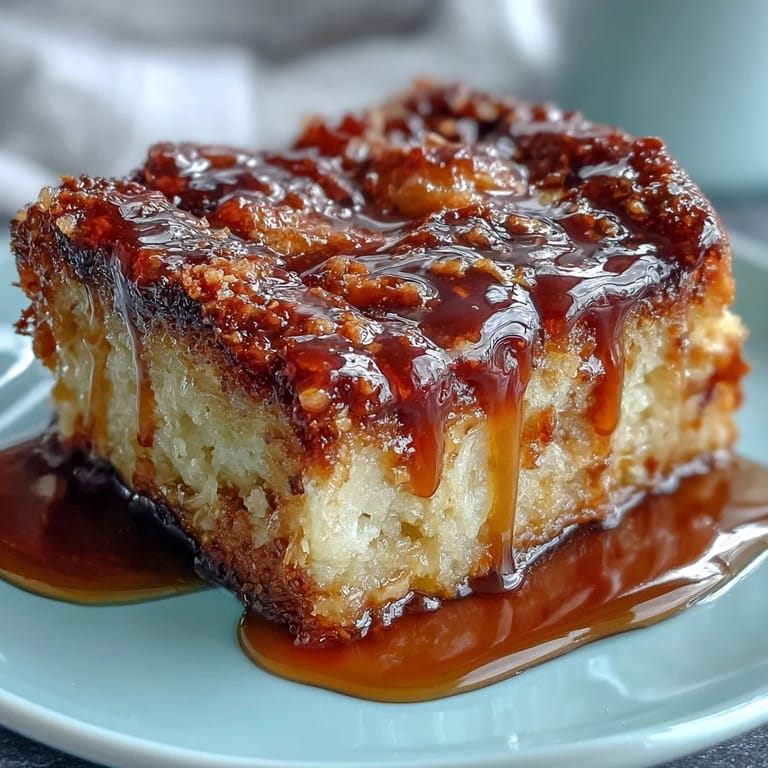 Save
Save There's something about serving a slice of this cake with tea that feels like stopping time for a moment, like you've created a small pocket of spring in the middle of an ordinary afternoon. My mother took one bite and asked if I'd been holding out on her, which made me laugh because I hadn't even known this cake existed a year earlier.
Finding Your Dandelion Honey
Dandelion honey isn't in every grocery store, but it's worth the search if you want the full experience—farmers markets and specialty food shops often have it, sometimes from local beekeepers. If you can't find it, you won't ruin the cake with regular honey, but you'll miss that subtle floral note that makes people ask questions. Once you taste it in this cake, you might find yourself buying a jar just to have on hand, and suddenly your breakfast toast and your desserts both taste a little more interesting.
Why This Cake Stays Moist
The combination of honey and milk creates a crumb that stays tender and soft for days, which is rare in a cake made without oil or extra butter. The honey also draws in moisture from the air, so storing it in an airtight container actually keeps it fresher longer. This is why the cake tastes even better on day two than day one—the flavors settle and deepen.
Making It Your Own
Once you've made this cake once, you'll start thinking about how to play with it, and that's the whole point—good recipes become platforms for small experiments. The basic structure is forgiving enough that you can adjust the glaze consistency for your mood or add those chopped dandelion petals if you want an edible reminder of spring. Here's what I've learned works beautifully:
- Dandelion petals (2 tbsp finely chopped) can go right into the batter for extra floral flavor, or scattered on top of the glaze for a delicate garnish.
- A touch of rosewater (1/4 tsp) complements the dandelion honey without overpowering it, if you want to push the floral note further.
- The cake pairs gorgeously with whipped cream dusted with lemon zest, though it's honestly perfect plain.
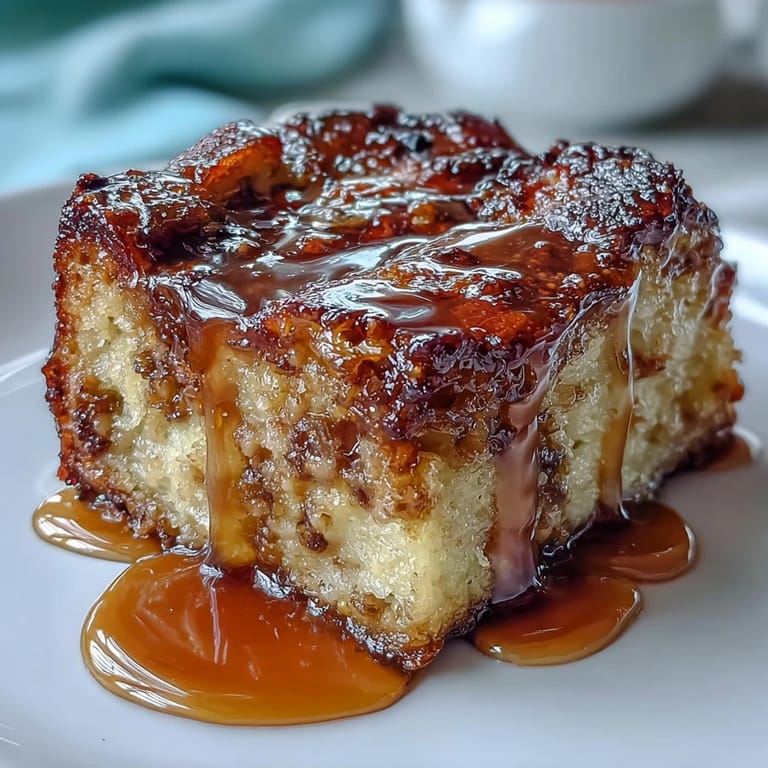 Save
Save This cake has become my spring answer to almost everything—a potluck, a gift, an afternoon that needs a little magic. It's the kind of recipe that reminds you why you love cooking in the first place.
Recipe FAQs
- → What gives the cake its unique flavor?
The distinct floral notes come from the dandelion honey combined with fresh lemon zest and juice, creating a bright and aromatic profile.
- → Can I substitute regular honey for dandelion honey?
Yes, regular honey can be used if dandelion honey is unavailable, but the floral character may be less pronounced.
- → How do I achieve the right texture for this cake?
Mix the wet ingredients until light and fluffy, then gently incorporate the dry ingredients alternating with milk to keep the batter tender.
- → What is the purpose of the lemon glaze?
The lemon glaze adds a bright, tangy sweetness that complements the honeyed cake and enhances moisture.
- → How should leftovers be stored?
Store cooled cake in an airtight container at room temperature for up to three days to maintain freshness.