 Save
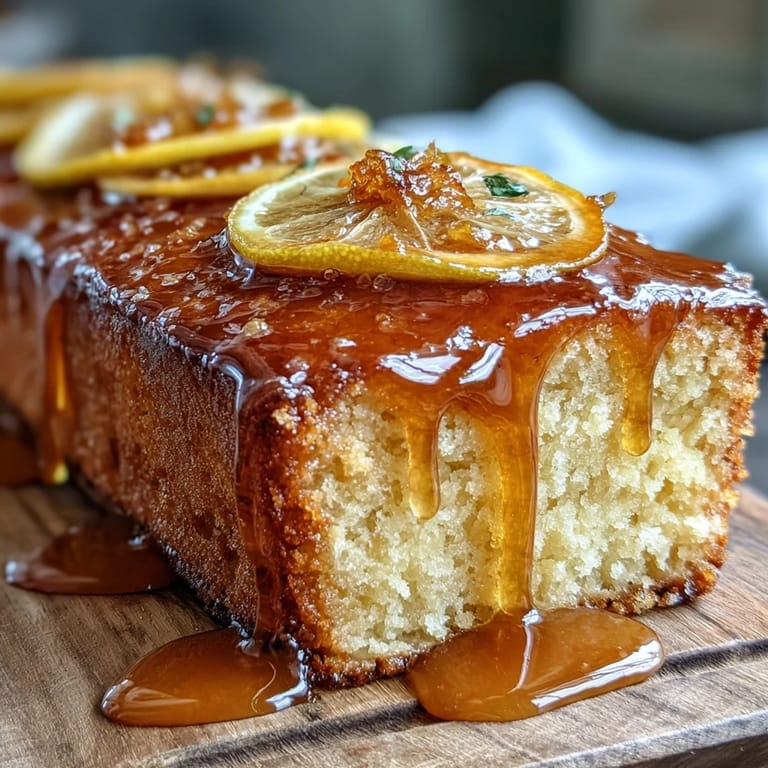
Save There's something about the scent of lemon zest hitting a warm bowl of creamed butter and sugar that makes you forget why you were ever stressed about baking in the first place. I discovered this Limoncello Pound Cake on a gray afternoon when my aunt handed me a bottle of homemade limoncello she'd brought back from Sicily, and I realized I had exactly three hours to figure out what to do with it before dinner guests arrived. The result was this impossibly tender, boozy-bright cake that somehow managed to be both sophisticated and comforting, the kind of dessert that makes people ask for the recipe before they've even finished their first slice.
I'll never forget pulling this cake out of the oven at 6:47 PM, exactly thirteen minutes before my guests rang the doorbell, and having the golden exterior catch the kitchen light just right. My mother-in-law took one bite, closed her eyes, and asked if I'd been holding out on her all these years—turns out homemade Limoncello Pound Cake is the universal language that says 'I actually care about you.'
Ingredients
- Unsalted butter (1 cup, softened): Room temperature is non-negotiable here; cold butter won't incorporate properly and you'll end up with a dense crumb instead of that cloud-like texture.
- Granulated sugar (2 cups): This is your structure and tenderness combined, so don't skip it or substitute with honey on a whim.
- Large eggs (4, room temperature): They emulsify the batter and create lift; cold eggs will seize the mixture and ruin your afternoon.
- Limoncello liqueur (1/4 cup): This is the star—it adds complexity and keeps the cake remarkably moist for days, though you can swap it for more lemon juice if you're keeping things alcohol-free.
- Whole milk (1/4 cup, room temperature): Acts as a tender agent and helps distribute the lemon flavor evenly throughout.
- Freshly grated lemon zest (2 tablespoons): Don't even think about using bottled; the difference between fresh zest and the jarred stuff is the difference between a backyard garden and a picture of one.
- Fresh lemon juice (1/4 cup): Brings the brightness that makes people lean in for another bite.
- All-purpose flour (2 1/2 cups): The foundation, and yes, you should measure by weight if your scale is handy—it prevents the overbaking anxiety.
- Baking powder (1 1/2 teaspoons): Your lift agent; don't confuse it with baking soda or you'll have a pancake situation.
- Salt (1/2 teaspoon): Amplifies every other flavor and makes the lemon sing.
- Powdered sugar (1 cup, sifted): For the glaze; sifting prevents lumps that catch on your whisk and drive you slowly mad.
Tired of Takeout? 🥡
Get 10 meals you can make faster than delivery arrives. Seriously.
One email. No spam. Unsubscribe anytime.
Instructions
- Heat your oven and prepare the pan:
- Preheat to 350°F and grease your 9x5-inch loaf pan or bundt pan thoroughly with butter, then dust with flour—this prevents the beautiful golden edges from sticking. A bundt gives you stunning presentation; a loaf pan gives you no-fuss slicing.
- Cream butter and sugar until clouds form:
- In a large bowl with an electric mixer, beat softened butter and granulated sugar for 3–4 minutes until the mixture is pale, fluffy, and looks like frosting. This aerates the batter and is where half your cake's texture is determined.
- Introduce the eggs slowly and patiently:
- Add eggs one at a time, beating well after each addition so they fully incorporate; rushing this step means risking a broken, grainy emulsion. Take your time—this isn't a race.
- Fold in the lemon and Limoncello magic:
- Stir in the lemon zest, Limoncello, lemon juice, and milk until you see no white streaks. The mixture might look slightly curdled, which is normal and will resolve once the flour goes in.
- Combine the dry team:
- In a separate bowl, whisk together flour, baking powder, and salt so the leavening distributes evenly. This prevents dense pockets and hot spots.
- Marry wet and dry with a gentle hand:
- Add the dry ingredients to the wet mixture in two or three additions, mixing just until incorporated—overmixing develops gluten and makes the cake tough. Stop as soon as you see no flour streaks.
- Transfer and bake until golden:
- Pour the batter into your prepared pan, smooth the top gently, and slide it into the oven for 50–55 minutes. The cake is done when a toothpick inserted into the center comes out clean or with just a few moist crumbs.
- Cool with patience:
- Let the cake rest in the pan for 15 minutes—this keeps it from breaking apart when you turn it out—then invert onto a wire rack to cool completely. Rushing this is how cakes crack.
- Make the glaze and dress the cake:
- Whisk powdered sugar, lemon juice, and Limoncello until smooth and pourable, then drizzle over the completely cooled cake. Top with extra lemon zest if you want people to know exactly what they're getting into.
- Let the glaze set before serving:
- Give it 10–15 minutes for the glaze to firm up slightly so it doesn't slide off your plate when you cut a slice.
 Save
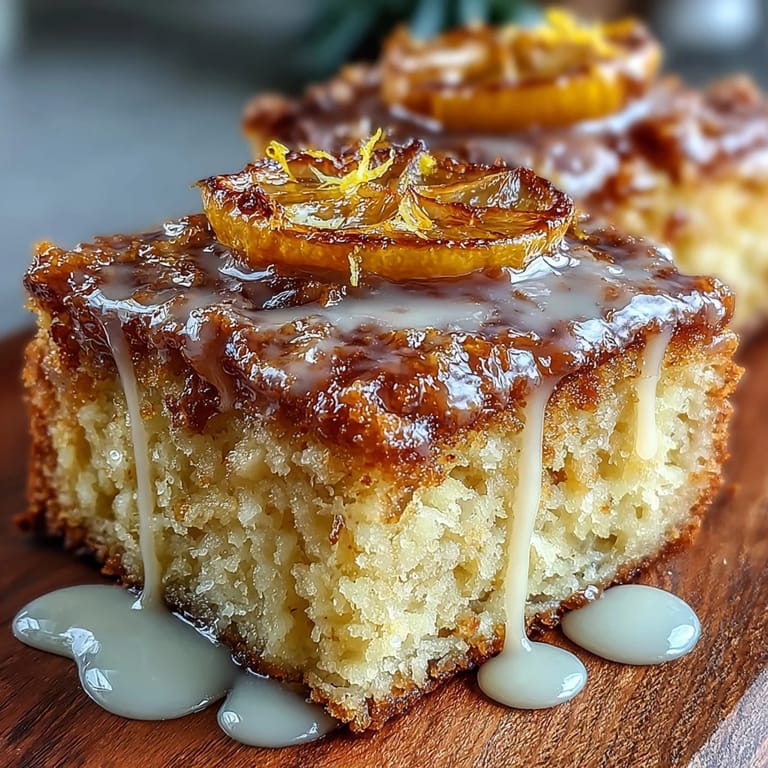
Save There's a moment when a cake fresh from the oven cools just enough to handle, and the aroma of Limoncello and butter fills your entire kitchen, and suddenly you understand why people write poetry about food. This cake has a way of turning an ordinary Tuesday into something worth remembering.
The Science Behind the Moisture
Pound cakes have a reputation for drying out, but the Limoncello in this recipe acts as both a flavor booster and a moisture keeper—the alcohol doesn't bake off completely, it clings to the crumb structure and keeps it tender. I discovered this by accident when I left a slice uncovered on the counter for three days and was shocked to find it still soft; the alcohol and acidic lemon juice together create an environment where mold struggles and staleness takes a vacation. It's not magic, it's chemistry, and it means you can actually make this cake on Sunday and not feel rushed to serve it by Monday evening.
Flavor Combinations That Work
Limoncello Pound Cake plays beautifully with other flavors once you understand what it brings to the table: brightness, richness, and a subtle alcohol warmth that makes everything else taste more like itself. Serve it alongside fresh berries and whipped cream for a summer dessert that feels effortless, or dust it with powdered sugar and serve it plain with afternoon tea when you want the cake itself to be the star. I've also discovered that a thin slice with a small scoop of vanilla gelato creates something transcendent on hot days, the cold cutting through the sweetness while the lemon zest adds complexity.
Storage and Make-Ahead Strategy
This cake actually improves after a day because the flavors have time to meld and the crumb settles into a perfect tender state. Wrapped tightly at room temperature, it lasts four to five days without any decline in quality, which makes it perfect for meal prep on weekends or when you're expecting guests mid-week and want to remove the panic from dessert planning.
- If you want to freeze it, wrap the unfrosted cake tightly in plastic wrap and aluminum foil, and it will keep for up to three months—just thaw at room temperature before glazing.
- Make the glaze fresh the day you serve it for the brightest flavor and a pretty finish.
- Store glazed cake under a cake dome or loosely covered to prevent the glaze from getting sticky.
 Save
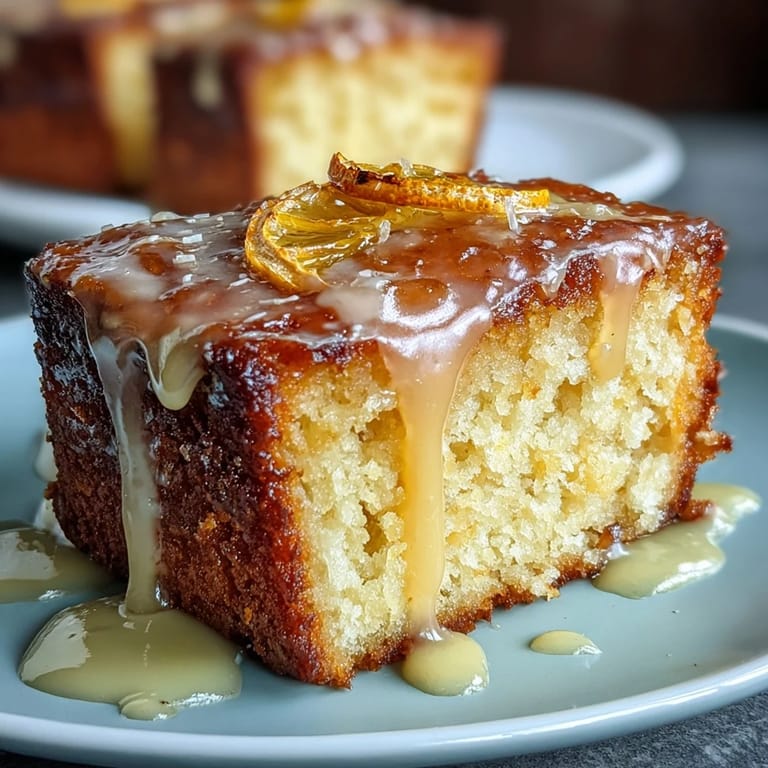
Save This Limoncello Pound Cake is the kind of recipe that becomes a signature move, the one you turn to when you want to impress people without actually impressing yourself—it comes together calmly and delivers every single time. Make it once, and you'll understand why my aunt's bottle of limoncello became the best dinner gift anyone ever gave me.
Recipe FAQs
- → What makes the cake moist?
The combination of butter, eggs, milk, and Limoncello liqueur helps create a tender, moist crumb with balanced richness.
- → Can I substitute the Limoncello?
Yes, replacing Limoncello with extra lemon juice offers a similar citrus brightness without alcohol, though the flavor will be less complex.
- → How is the lemon glaze prepared?
Whisk powdered sugar together with fresh lemon juice and Limoncello until smooth and pourable, then drizzle over the cooled cake.
- → What pan is recommended for baking?
A 9x5-inch loaf pan or a bundt pan works well to achieve even baking and the right shape for slicing.
- → Any tips for a lighter texture?
Substituting half the all-purpose flour with cake flour yields a lighter, tender crumb without changing the flavor.